
Trending
Trending Hashtags
Alerts
-
3 minutes, 29 seconds
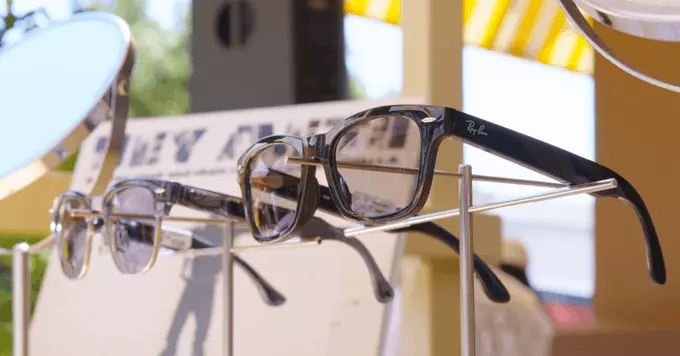
Ray-Ban has expanded its smart eyewear lineup, releasing audio-only glasses alongside additional camera-equipped models. The move gives buyers a choice between frames that simply play sound and those that can also capture photos and video.
The audio-only versions strip out the camera entirely, offering the same look and feel as the camera-enabled frames without any imaging hardware. For people who want smart features but are uneasy about wearing a camera on their face, this is a meaningful distinction.
The camera-equipped glasses, meanwhile, continue to pair lenses with built-in cameras, letting wearers snap pictures and record clips hands-free. Ray-Ban has framed these as a natural extension of its existing range rather than a replacement.
Both lines share the familiar Ray-Ban styling, so the difference comes down to capability rather than appearance. The split also reflects a broader tension in the smart glasses market: some users want the convenience of a camera, while others would rather not carry one at all. By offering both, Ray-Ban can serve each group without forcing a single compromise on everyone.
The audio-only Ray-Bans arrive without the privacy safeguards that define their camera-equipped siblings. Where the camera glasses include a capture LED that illuminates when recording, the new audio-only model has no equivalent indicator — and, according to the source, no privacy controls at all.
That absence matters because the glasses still carry microphones. Nothing on the frame signals to bystanders that audio might be captured, and nothing in the product gives users a way to demonstrate that they are not recording. The camera models at least offer a visible cue; the audio-only version offers none.
Critics argue this asymmetry is backwards. The feature most associated with surreptitious recording — a camera — comes with a warning light, while the model without a camera comes with nothing. For people standing nearby, the two products are indistinguishable at a glance, which means the reassurance built into one pair is undermined by the silence of the other.
Whether Meta addresses the gap through a firmware update or a future hardware revision remains unclear. For now, the missing controls stand as the clearest example of how unevenly privacy has been designed across the line.
The privacy concerns surrounding camera-equipped smart glasses are not theoretical, and the public reaction has been blunt. Critics have derisively labelled the devices "perv glasses," a nickname that captures the unease many feel about being recorded without their knowledge or consent.
The backlash is closely tied to the absence of meaningful safeguards. With no recording indicator that bystanders can easily see, and no clear way for the people around the wearer to know whether a camera is active, the glasses can feel less like a convenience and more like a surveillance tool. That perception has followed the category since its earliest iterations and shows no sign of fading.
For the manufacturers, the nickname is more than an insult. It is a signal that public trust is fragile, and that technical capability alone will not win acceptance. If wearers cannot reassure the people around them that they are not being filmed, the devices risk being rejected not on their merits, but on the suspicion they invite.
Privacy controls are the difference between a product people tolerate and one they resent. The backlash against camera-equipped glasses showed how quickly wearable tech can be branded invasive when bystanders have no say. Audio-only Ray-Bans avoid the camera, but they still raise the same underlying question: who decides when a device is recording?
Clear privacy controls address that backlash directly. They give wearers a way to signal intent, and they give everyone else a way to opt out. Without them, the burden falls on the people around the wearer, who must guess whether they are being captured.
For Meta, the stakes are commercial as well as ethical. A device that feels sneaky invites bans in bars, gyms and workplaces. A device with visible, understandable controls can be adopted in public without constant confrontation. Privacy controls are not a feature bolted on at the end; they are what make the glasses socially usable.









Comment