
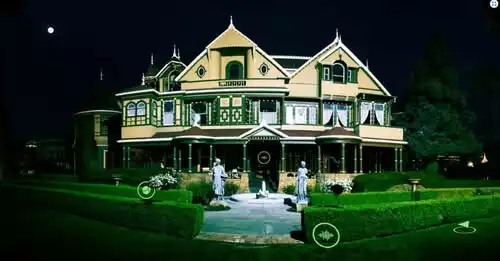
Atlas Obscura has long been the go-to guide for the world’s most unusual and fascinating locations. From abandoned theme parks to Japan’s Cat Island, the platform has cataloged over 32,000 unique destinations since its launch in 2009. Now, the company is taking its mission further by embracing the 3D web and virtual reality, making these wonders accessible to people who can’t travel far. The move comes as Atlas Obscura expands its VR offerings from Meta Quest apps to HTC’s Viverse platform, promising a new era of immersive exploration.
Doug Baldinger, Atlas Obscura’s Chief Content Officer, emphasizes that the platform’s goal has always been to democratize discovery. “The premise of the company was to make exploration available to everybody,” he says. VR provides a unique opportunity to bridge the gap for those unable to travel internationally due to cost, time, or mobility restrictions. With VR, users can experience faraway destinations in immersive 3D, offering a sense of presence that traditional photos and videos cannot replicate.
When consumer VR first became mainstream over a decade ago, Atlas Obscura experimented with headsets like Samsung’s Gear VR and Meta’s Oculus Go. The intention was to allow users to virtually visit distant places, but early VR technology had limitations. Without six degrees of freedom, the experience often felt static, leaving users underwhelmed. Moreover, many devices ended up unused, highlighting the importance of both technology quality and content experience.
Atlas Obscura’s latest move into HTC’s Viverse reflects the company’s commitment to the evolving 3D web. By leveraging Viverse’s advanced capabilities, users can enjoy richer interactivity, enhanced spatial navigation, and a deeper sense of presence while exploring virtual locations. This expansion aligns with a broader industry trend toward cross-platform VR experiences that reach beyond the Meta ecosystem, opening doors for wider audiences to engage with immersive content.
Atlas Obscura has cultivated a passionate community of explorers. Over 93 million lists have been created by users sharing obscure and visit-worthy destinations. VR integration allows these communities to experience curated locations in new ways, from historical sites to secret natural wonders. Podcasts, books, and online features continue to complement these experiences, creating a multi-layered approach to exploration and storytelling.
The appeal of VR for Atlas Obscura’s audience lies in accessibility and novelty. Users can wander hidden beaches, abandoned amusement parks, or mysterious islands without leaving their homes. For adventure seekers and casual explorers alike, this new wave of immersive experiences provides both inspiration and practical insight into locations they may one day visit in person. It’s about making the extraordinary feel within reach, anytime, anywhere.
As VR hardware continues to improve, Atlas Obscura’s embrace of platforms like Viverse highlights a key industry shift: the fusion of storytelling, social curation, and immersive technology. By integrating the 3D web into its core offerings, Atlas Obscura ensures that the world’s hidden treasures remain discoverable to a global audience. For users eager to explore beyond traditional maps and guides, the future promises interactive journeys that are as informative as they are mesmerizing.

𝗦𝗲𝗺𝗮𝘀𝗼𝗰𝗶𝗮𝗹 𝗶𝘀 𝘄𝗵𝗲𝗿𝗲 𝗽𝗲𝗼𝗽𝗹𝗲 𝗰𝗼𝗻𝗻𝗲𝗰𝘁, 𝗴𝗿𝗼𝘄, 𝗮𝗻𝗱 𝗳𝗶𝗻𝗱 𝗼𝗽𝗽𝗼𝗿𝘁𝘂𝗻𝗶𝘁𝗶𝗲𝘀.
From jobs and gigs to communities, events, and real conversations — we bring people and ideas together in one simple, meaningful space.




Comments