Alerts

-
4 minutes, 42 seconds
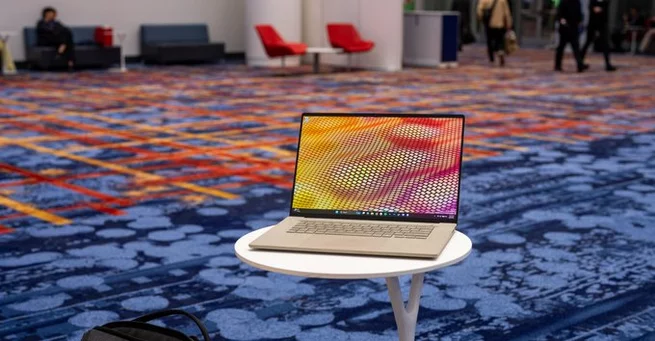
CES 2026 is a whirlwind of announcements, demos, and late-night testing. Amid the chaos, I did something unusual: I relied entirely on a pre-production Asus Zenbook A16 as my main laptop. This 16-inch Arm-based machine, powered by Qualcomm’s new Snapdragon X2 processor, promised high performance in a surprisingly light package. Bringing an unreleased laptop to an event of this scale is risky—but the results were more encouraging than I expected.
From writing articles to running demanding tasks, the Zenbook A16 held up impressively. Its design and specs suggest Asus is serious about competing with premium laptops, offering performance that rivals larger Windows and Mac machines.
Under the hood, the Zenbook A16 features the Snapdragon X2 Elite Extreme X2E-94-100 processor, boasting 18 cores—six performance cores and 12 efficiency cores. In the pre-release unit I tested, this was paired with 48GB of RAM and a 2TB SSD. The 16-inch OLED screen with 2880 x 1800 resolution and a 120Hz refresh rate offered stunning visuals and smooth scrolling, even under heavy multitasking.
While Asus has not officially confirmed pricing, estimates suggest it could land between $1,599.99 and $1,699.99. This positions the Zenbook A16 as a lightweight alternative to higher-end MacBooks, giving users “big laptop energy” without the usual bulk.
Using a pre-production laptop is rarely seamless. Early glitches popped up: Windows Hello face recognition didn’t function, and the device occasionally fell asleep mid-use. Thankfully, it recovered instantly each time, so my workflow wasn’t seriously disrupted.
Despite these hiccups, the Zenbook A16 managed tasks that typically stress larger laptops. From content creation to video streaming, the Snapdragon X2 handled everything smoothly. The combination of power and efficiency made it clear that Arm-based laptops are no longer a niche experiment—they’re becoming serious contenders for daily productivity.
What surprised me most was how light the Zenbook A16 feels. At less than the weight of a 13-inch MacBook Air, it doesn’t compromise on performance or screen size. This balance between portability and power is rare in premium laptops, and it makes the Zenbook A16 ideal for travelers, tech reviewers, and anyone constantly on the move.
The 120Hz OLED display is another standout. Colors are vivid, brightness is strong even in bright convention hall lighting, and smooth refresh rates make scrolling and video playback a pleasure. For creatives and professionals, this is a major win.
While this pre-release model impressed, it’s important to note it’s not yet a finished product. Minor software issues are expected, and benchmarks should wait for the retail release. Still, the Zenbook A16’s combination of Snapdragon X2 power, massive RAM, and sleek design makes it one of the most compelling laptops showcased at CES 2026.
As Asus refines this model, it could redefine expectations for Arm-based Windows laptops. It’s lightweight, powerful, and capable of handling demanding workloads, which positions it as a strong alternative for users seeking premium performance without the MacBook price tag.
Asus Zenbook A16 is a bold statement at CES. Its pre-release flaws are minor compared to its overall capabilities. This laptop proves that Arm-based machines can handle real-world workloads with style, power, and efficiency, all in a surprisingly portable package.










Comment