Alerts

-
2 minutes, 33 seconds
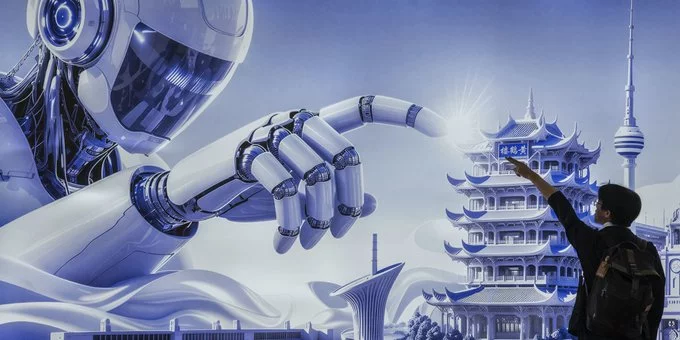
As the race for artificial-intelligence supremacy heats up, China is considering tightening its grip on homegrown technology to protect its lead and national security. This shift could reshape the global AI landscape, affecting companies, investors, and developers worldwide. In simple terms, China wants to keep its AI innovations close—and competitors guessing.
The global AI race is faster than ever. The United States, Europe, and China are all pushing hard to dominate in areas like machine learning, natural language processing, and autonomous systems. China sees its homegrown AI technology as a strategic asset. By tightening control, Beijing aims to:
If China goes ahead with stricter rules, it could slow down global AI collaboration. Many Western companies rely on Chinese research and talent. Tighter controls might force them to find new partners or develop their own solutions. On the flip side, Chinese companies like Baidu, Alibaba, and Tencent could benefit from more government support and a protected market.
If you work in AI or invest in tech, keep an eye on these changes. Here’s what you can do:
Industry analysts believe China’s tighter grip is a double-edged sword. It could accelerate domestic breakthroughs but also isolate Chinese tech from global markets. For example, China’s self-driving car industry might advance faster with government backing, but it may miss out on international standards and partnerships.
In the long run, the AI supremacy race isn’t just about who has the best algorithms—it’s about who can control the ecosystem. China is betting on homegrown control as its winning card.
The race for artificial-intelligence supremacy is entering a new phase. China’s move to tighten control over its homegrown technology signals a shift toward self-reliance and security. Whether this strategy succeeds will depend on how well China balances innovation with isolation. For the rest of the world, it means adapting to a more fragmented AI landscape—and preparing for a future where collaboration isn’t always easy.










Comment