Alerts

-
3 minutes, 40 seconds
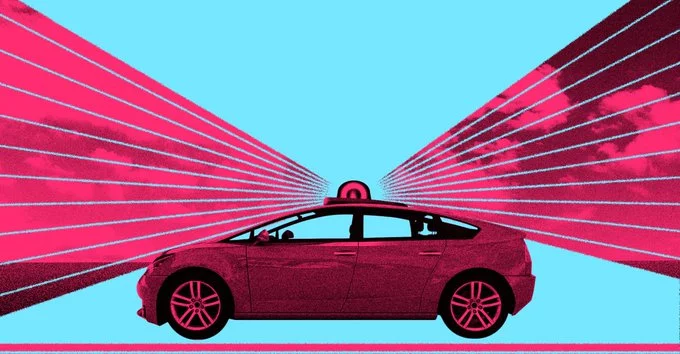
The rapid deployment of robotaxis has intensified conflicts over the rules governing their operation. As autonomous vehicles become increasingly common on public roads, cities and states are clashing over who holds the authority to set safety standards and operational limits. The core tension lies between local control—where municipalities seek to manage street-level impacts like congestion and pick-up/drop-off zones—and broader state or federal frameworks designed to create uniform rules for manufacturers. This friction is most visible in permits and oversight, where some jurisdictions demand more rigorous data reporting and incident disclosure than others. The result is a patchwork of regulations that complicates expansion for companies and fuels disputes over whether safety benchmarks are stringent enough. Without a clear consensus on how to balance innovation with public accountability, these regulatory battles are likely to escalate as the number of robotaxis grows. The conflict is not merely administrative; it directly shapes where and how quickly autonomous fleets can operate, and which communities get a say in their deployment.
The rapid deployment of robotaxis has collided with a series of high-profile public incidents, including collisions with emergency vehicles and unexpected traffic stops that have snarled city streets. These events have fueled significant safety worries among pedestrians, cyclists, and traditional drivers, who report unpredictable behavior from the autonomous vehicles. This mounting anxiety has sparked a visible public backlash, with some residents resorting to placing traffic cones on vehicle hoods to disable them, a symbolic act of protest against what they perceive as an unsafe and unaccountable technology.
In response to these concerns, regulators are now facing increased pressure to implement stricter oversight. The public outcry has prompted calls for enhanced transparency requirements, such as mandatory reporting of all incidents, not just those involving injuries, and clearer data sharing with municipal authorities. Lawmakers are considering new rules that would force companies to provide more detailed safety assessments before expanding their fleets, aiming to rebuild public trust that has been eroded by the perceived lack of accountability and the disruptive nature of these vehicles in everyday urban environments.
The core conflict in robotaxi regulation is the divide between federal and state authority. The National Highway Traffic Safety Administration (NHTSA) sets federal safety standards for vehicle design, but states govern the operation of vehicles on public roads. This split creates a patchwork of rules. Companies like General Motors’ Cruise and Alphabet’s Waymo push for uniform national regulations, arguing that a single standard is essential for scaling their operations. They contend that complying with dozens of different state and city requirements is inefficient and slows innovation.
However, cities such as San Francisco and Phoenix assert their need for local authority. They argue that they understand their unique traffic patterns, pedestrian flows, and emergency response challenges better than federal or state bodies. These municipalities seek to impose their own permit conditions, data reporting requirements, and operational restrictions. This tension is stark: industry seeks the predictability of one national rulebook, while local governments demand the flexibility to protect their specific communities, leading to a complex legal and political battle over who ultimately controls the roads.
The robotaxi industry is aggressively lobbying to shape the regulatory landscape, and the outcome of these battles will determine both the pace and the safety of autonomous vehicle deployment. Companies are spending heavily on state and federal advocacy, seeking to preempt local rules they view as obstacles. According to the source, this push includes efforts to centralize authority, arguing that a patchwork of local regulations would stifle innovation.
The source notes that these lobbying efforts are intensifying as deployment scales. The central conflict remains: faster rollout versus verifiable safety. The final regulatory decisions will likely set a precedent for decades, balancing commercial pressure with public trust. As the article states, the industry’s influence is growing, but so is scrutiny from safety advocates. The future outlook hinges on whether regulators adopt industry-friendly rules or impose stricter oversight, with the outcome directly impacting how quickly, and how safely, robotaxis become commonplace on American roads.










Comment