
-
5 minutes, 38 seconds
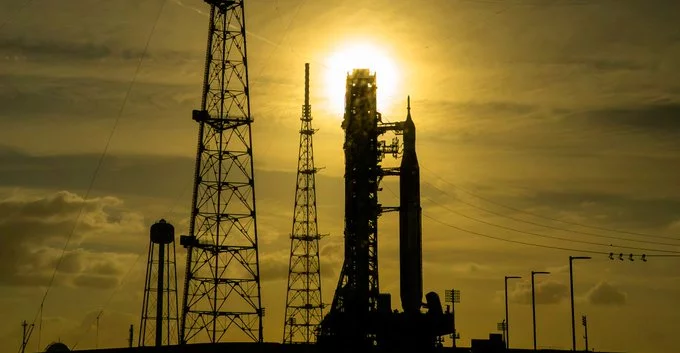
Plans for a permanent Artemis Moon base are drawing global attention—and not just for scientific ambition. Many people are asking: Is building a base on the Moon even legal? Could space exploration spark international conflict? These questions are becoming more urgent as space agencies accelerate lunar missions. While the Artemis program aims to establish a long-term human presence on the Moon, legal experts warn that existing space laws may not fully support such plans.
The issue centers on how international agreements apply to modern space exploration. As nations and private companies race back to the Moon, the rules governing ownership, resource use, and territorial claims are being pushed to their limits.
The Artemis program is designed to return humans to the Moon and eventually establish a sustainable base. This base would support scientific research, resource extraction, and future missions to Mars. The idea is not just to visit the Moon—but to stay.
Short-term missions like Artemis II are stepping stones toward this goal. These missions will test systems and prepare astronauts for longer stays. Over time, infrastructure such as habitats, power systems, and communication networks could transform the Moon into a semi-permanent human outpost.
However, this shift from exploration to habitation is exactly where legal concerns begin to emerge.
At the heart of the debate lies the Outer Space Treaty of 1967. This agreement states that no nation can claim sovereignty over celestial bodies like the Moon. Space is considered the “province of all humankind,” meaning it cannot be owned or controlled by any single country.
The challenge is that the treaty was written during a different era—long before the idea of building lunar bases became realistic. While it clearly bans territorial claims, it is less specific about long-term presence or resource use.
This creates a gray area. If a country builds a base and operates there continuously, does that amount to control? And if resources like water ice are extracted, who owns them?
One of the biggest legal flashpoints is the use of lunar resources. Water ice, for example, could be converted into fuel and oxygen, making it extremely valuable for future missions. The Artemis program includes plans to utilize these resources to support sustainability.
Some interpretations of international law suggest that extracting resources is allowed, as long as no ownership of land is claimed. Others argue that resource use without clear global consensus could lead to disputes.
This issue becomes even more complex with private companies involved. If a company operates on the Moon under a national program, questions arise about whether commercial interests could bypass international agreements.
To address these concerns, participating countries have signed agreements outlining principles for cooperation in space exploration. These include transparency, peaceful use, and shared scientific data. The agreements also support the idea of “safety zones” to prevent interference between missions.
Critics argue that such zones could resemble territorial claims in practice, even if not officially labeled as such. Some countries have expressed concern that these rules are being shaped without broad international input.
As a result, global consensus on lunar governance remains uncertain. The lack of universally accepted rules could create tension as more nations pursue Moon missions.
The Artemis Moon base is more than a scientific milestone—it represents a turning point in how humanity approaches space. Establishing a permanent presence on the Moon could redefine exploration, economics, and international relations.
Legal clarity will be essential to avoid conflicts and ensure fair access. Without updated frameworks, disagreements over resources or territory could escalate. This is especially important as space becomes more crowded and competitive.
Ultimately, the success of lunar exploration will depend not just on technology, but on cooperation. The Moon may be distant, but the decisions made today will shape the future of space for generations.

2.6K articles

1.4K articles

34 articles

28 articles














Comment