Alerts

-
3 minutes, 48 seconds
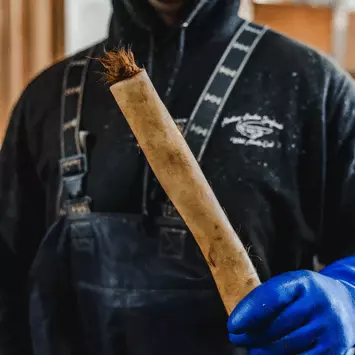
Puppies love exploring new flavors, and treats can be a useful part of early training and positive reinforcement. However, young dogs have developing teeth, digestive systems, and nutritional needs, so not every treat is appropriate for them. Choosing puppy-friendly options based on age, size, ingredients, and texture can make treat time more enjoyable. Pet parents should also keep portions small and ensure treats complement a complete and balanced puppy diet rather than replacing regular meals.
Dog treats safe for puppies should be specifically appropriate for a puppy's age, size, and chewing ability. Puppies can enjoy treats, but the right product matters.
Soft, small, easily manageable treats are often more practical for young dogs than large or extremely hard chews. Always check the manufacturer's age recommendations before introducing a new product.
Puppies are still developing, so their nutritional requirements differ from those of adult dogs. Their primary food should provide the nutrients needed for healthy growth.
Treats should remain a small part of their overall diet. Giving too many snacks can contribute unnecessary calories and may interfere with their regular meals.
Treat size is especially important for puppies. A piece that is too large can be difficult to chew, while a very small piece may be swallowed quickly.
Choose treats appropriate for your puppy's breed size and age. For training, small pieces can be particularly useful because you may need to reward your puppy several times during a session.
Soft treats can be easier for young puppies to chew, particularly while their teeth are developing. They can also be convenient during training because puppies can usually eat them quickly before moving on to the next command.
Look for products specifically labeled as appropriate for puppies and follow the recommended serving size.
Check the ingredient list before purchasing puppy treats. Simple, recognizable ingredients can make it easier to understand what your puppy is eating.
Avoid giving puppies human snacks containing ingredients that may be unsafe for dogs, such as chocolate, onions, garlic, grapes, or excessive amounts of salt. Puppy treats should be specifically formulated for dogs whenever possible.
Treats can make early training more rewarding. Puppies often respond well to small food rewards when learning commands such as sit, stay, come, and leave it.
Give the reward immediately after the desired behavior so your puppy can connect the action with the positive outcome. As training progresses, you can gradually rely more on praise and other forms of positive reinforcement.
Some puppies can enjoy age-appropriate chews, but not every chew is suitable for young dogs. Extremely hard products may not be appropriate for developing teeth.
Always check the manufacturer's age recommendations and choose a chew designed for your puppy's size and chewing ability. Supervise your puppy while chewing and remove the product if it becomes too small or damaged.
Many pet parents prefer treats made with simple ingredients. Natural options can provide variety while giving puppies flavorful rewards during training and everyday activities.
Ugly Chews offers dog treat and chew options for pet parents looking for enjoyable rewards for their dogs. When selecting a product for a puppy, always check whether it is appropriate for the puppy's age, size, and chewing habits.
There is no single amount that works for every puppy. Treat intake depends on the puppy's size, age, activity level, regular diet, and the specific treat being used.
Follow the manufacturer's feeding recommendations and keep treats as a small part of your puppy's overall food intake. If you're unsure about appropriate portions, your veterinarian can help you establish a suitable routine.
Introduce new treats gradually rather than giving your puppy a large amount immediately. Start with a small portion and monitor your puppy's response.
If your puppy experiences digestive upset or another unusual reaction after eating a new treat, stop giving the product and speak with your veterinarian if concerns persist.
Treats can be a valuable tool during a puppy's early development. They can support positive reinforcement, make training more engaging, and create enjoyable bonding moments.
Choose age-appropriate products, keep portions reasonable, and supervise your puppy with chews. With suitable options from Ugly Chews, pet parents can make reward time tasty and exciting while keeping their puppy's individual nutritional needs in mind.



Comment