Alerts

-
4 minutes, 35 seconds
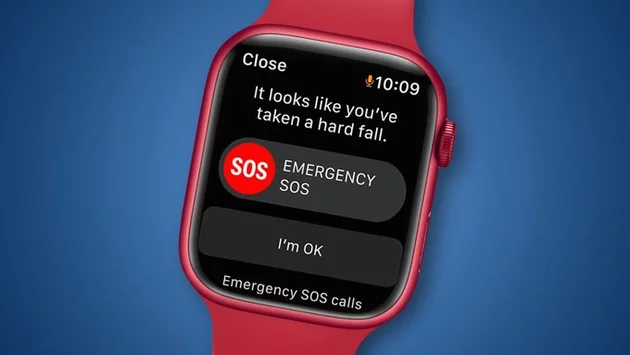
Fall detection has become a major selling point for smartwatches, promising users peace of mind by alerting emergency contacts when accidents occur. However, this feature may soon face legal hurdles. Tech firm UnaliWear has filed a lawsuit against Apple, Google, Garmin, and Samsung, claiming that their fall detection systems infringe on its patented technology. If UnaliWear prevails, the way these devices handle trips and falls could change drastically, impacting millions of users worldwide.
UnaliWear specializes in wearables designed for older adults, with its signature technology, RealFall, capable of distinguishing between real falls and everyday movements. The company argues that the fall detection features in Apple Watch, Fitbit, Garmin, and Samsung smartwatches copy this technology without permission. The lawsuit suggests that the differentiation between false alarms and genuine emergencies—a crucial safety measure—has been implemented using UnaliWear’s patented methods.
For consumers, the outcome could affect both device functionality and availability. If a court rules in favor of UnaliWear, companies may need to redesign their fall detection algorithms or face potential bans on sales of certain models.
Fall detection isn’t just a gimmick—it can literally save lives. For seniors, athletes, and individuals with medical conditions, the technology provides instant alerts to emergency services or trusted contacts, potentially reducing response times after accidents. The industry has relied heavily on fall detection as a differentiating feature, often marketing it as a critical safety net for users at risk of injury.
UnaliWear’s claim focuses on the system’s ability to avoid false alerts, which is a common pain point for wearable users. False positives can lead to unnecessary panic, emergency calls, and user frustration. By asserting its patents, UnaliWear is highlighting a behind-the-scenes element of wearable safety that many users take for granted.
Apple, Google, Garmin, and Samsung are at the center of the dispute, facing potential legal and financial consequences. If UnaliWear succeeds, these companies may need to pay licensing fees, redesign their software, or halt certain product features. The decision could also set a precedent for future wearable technology patents, influencing how new safety features are developed and implemented across the market.
Industry analysts note that while lawsuits over technology patents are common, a win for UnaliWear could be particularly disruptive due to the widespread use of fall detection across multiple brands. Consumers might see updates to their devices or even temporary limitations on certain smartwatch models as companies navigate legal compliance.
The lawsuit is just beginning, and it will likely take months—or even years—to resolve. Meanwhile, consumers should continue to use their devices as intended but remain aware that features like fall detection could be affected depending on the legal outcome. Tech enthusiasts and seniors relying on smartwatches for safety may need to follow updates closely, as the ruling could influence both software updates and product designs in the near future.
The UnaliWear case highlights a growing tension between innovation and intellectual property in the wearable tech industry. As smartwatches continue to expand their health-monitoring capabilities, patent disputes like this one underscore the high stakes involved in protecting proprietary technology.










Comment