Alerts

-
3 minutes, 39 seconds
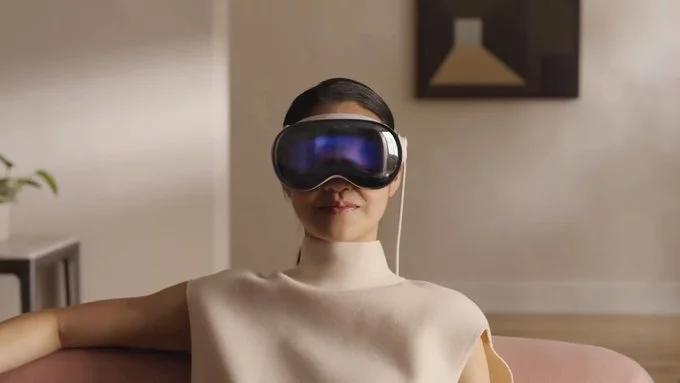
Before it became the Apple Vision Pro, the company’s first spatial computer was developed internally under the codename Reality Pro. This early moniker was used throughout the device’s research and development phase, reflecting Apple’s focus on blending digital content with the physical world. The name aligned with the company’s broader “Reality” family of operating systems, including realityOS, which was also being built in tandem. According to reporting from Bloomberg’s Mark Gurman, the Reality Pro name was the primary internal label for the headset, and it appeared in early software builds and internal documentation.
During this period, the product was envisioned as a premium, high-end mixed-reality device—one that would eventually be priced at $3,499. The “Reality” branding was a logical fit, as it directly described the device’s core function: overlaying virtual elements onto the user’s actual surroundings. However, this name was never intended for the final consumer packaging; it served as a working title that allowed engineering and marketing teams to reference the project without revealing its true market identity. The shift away from Reality Pro was a deliberate strategic decision, setting the stage for a more distinctive and future-focused brand.
The shift from “Reality Pro” to “Vision Pro” was not a spontaneous decision but a calculated pivot driven by both legal and marketing pressures. Internally, Apple had used the “Reality” prefix for its AR/VR software frameworks, like RealityKit, making the original name a natural fit. However, the company faced a significant hurdle: the term “Reality Pro” was already trademarked by another entity, creating a legal quagmire that could delay or derail the product’s launch. Beyond the legal risk, marketing experts argued that “Reality” felt generic and tech-heavy, failing to evoke the emotional, forward-looking promise Apple wanted. The name “Vision” was chosen instead, as it aligns with the concept of seeing the world differently—both literally through the device’s pass-through cameras and metaphorically as a platform for spatial computing. This rebranding also differentiated the product from competitors’ “Reality” monikers, positioning it as a unique category-defining device rather than just another headset.
Legal considerations likely played a significant role in the name change. The “Reality” moniker, while descriptive of the device’s mixed-reality capabilities, is a common term in the tech industry. Apple may have faced potential trademark conflicts with existing companies using “Reality” in their product names, particularly in the augmented and virtual reality space. Securing a broad trademark for a word as generic as “Reality” is notoriously difficult, as the United States Patent and Trademark Office often rejects marks that are merely descriptive. Furthermore, a legal challenge could have delayed the product’s launch or forced a costly rebrand. By choosing “Vision,” Apple sidesteps these hurdles, opting for a more distinctive and legally defensible name that is less likely to infringe on existing registrations, thereby mitigating the risk of protracted litigation before the device even reached the market. This strategic move prioritizes legal clarity and brand protection.
The new name, Vision Pro, is far more than a rebranding exercise. It deliberately emphasizes the headset’s role in spatial computing, a term Apple uses to describe the blending of digital content with the physical world. Unlike "Reality Pro," which suggests a passive view of an alternate world, "Vision" points to the device as a primary tool for seeing and interacting with a new dimension of computing. This aligns with Apple’s broader product vision, positioning the headset not as a niche gaming accessory but as a foundational platform for future work, entertainment, and communication. The name signals a shift from mere augmented reality to a comprehensive, forward-looking ecosystem where the user’s field of view becomes the canvas. By choosing "Vision," Apple is making a clear statement about its long-term strategy: the device is not just about displaying a new reality, but about pioneering the next major computing paradigm, one that is inherently visual and intuitive. This nomenclature directly ties the product’s identity to its ambitious, long-range purpose.









Comment