
Alerts
-
3 minutes, 15 seconds
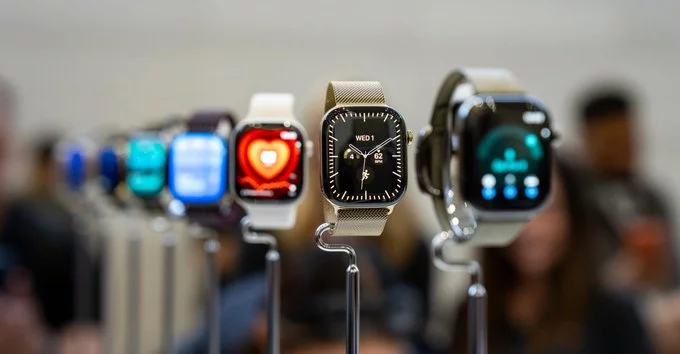
Apple's latest wearables, the Apple Watch Series 11, Apple Watch Ultra 3, and Apple Watch SE 3, were announced on September 9, 2025, and released on September 19, 2025. All three share a headline feature: audio intelligence, which Apple describes as bringing on-device intelligence to the sounds around you.
With audio intelligence, the new watches can surface live translation directly on your wrist and summarize notifications you receive, so you can catch up at a glance. The feature works alongside the Siri improvements included in the same release.
The new lineup also brings other upgrades. The Series 11 and Ultra 3 feature an always-on wide-angle OLED display, while the SE 3 gains an always-on display for the first time in the SE line. Battery life improves across the board, with the Ultra 3 reaching up to 42 hours in standard mode and the Series 11 offering up to 24 hours. The Ultra 3 adds satellite connectivity for messaging and emergency SOS when you're off the grid.
To judge what Apple's newest watches actually add, it helps to recall what came before. The most recent generation prior to the new lineup was the Apple Watch Series 8, joined by the Apple Watch SE (2nd generation) and the rugged Apple Watch Ultra.
The Series 8 and the second-generation SE share Apple's S8 chip, while the Ultra also runs on the S8 SiP. All three carry the same 18-hour battery rating that Apple has quoted for its mainstream watches.
Where they differ is in display and build. The Series 8 and Ultra offer an always-on Retina display, whereas the SE does not. The Ultra stands apart with a 49mm titanium case and the brightest display of the group.
These are the models the new watches are measured against, so their chips, screens and battery figures set the baseline for every comparison that follows.
Place the latest Apple Watch models beside their predecessors and the generational gap becomes clear. The newest watches introduce audio intelligence features that simply do not exist on earlier releases, giving buyers a genuinely new capability rather than an incremental polish.
Where older models focused on fitness tracking, notifications, and health monitoring, the new lineup adds a smarter layer of sound processing on top of those foundations. That shift matters because it changes what the watch can do moment to moment, not just how it looks on paper.
Key differences at a glance:
For anyone weighing an upgrade, the comparison comes down to whether audio intelligence is worth the jump. The older models still handle everyday tasks well, but they cannot match the newest watches on this specific front.
The takeaway is straightforward: the newest Apple Watches are now the only models with audio intelligence features, and older models cannot match them on that front. If on-device audio processing matters to you, the comparison leaves little room for debate — you will need to buy current-generation hardware.
For everyone else, the decision comes down to priorities:
Buyers weighing cost against capability should note that the gap between generations is defined by these audio features rather than by every specification. That means an older Apple Watch may still serve you well, provided you accept that the audio intelligence experience is reserved for the latest releases.
In short, match the purchase to your needs: pay for the newest watches when audio intelligence is essential, and look to older models when it is not.










Comment