Alerts

-
3 minutes, 28 seconds
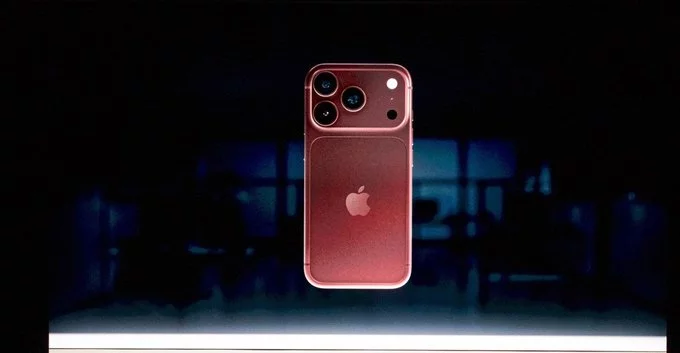
The headline feature of the iPhone 18 Pro is a dynamic aperture main camera. This is a meaningful shift for Apple's flagship line, since previous iPhone cameras relied on a fixed aperture that could not be adjusted by the user or the system.
A dynamic aperture changes that. The lens can open wider or narrower depending on the shot, giving the camera control over how much light reaches the sensor and how much depth of field appears in the final image.
For photographers, this brings the iPhone 18 Pro closer to the flexibility long associated with dedicated cameras, where aperture is a core exposure setting. It also suggests Apple is competing on hardware again, not just computational photography. Further details on the iPhone 18 Pro Max and the broader camera suite follow below.
The same camera feature extends to the iPhone 18 Pro Max, meaning buyers who prefer Apple's largest flagship don't have to compromise on photographic flexibility. The variable aperture system is not reserved for the smaller Pro model — it carries across to the Pro Max, keeping the two devices aligned on this key capability.
That consistency matters for anyone weighing up which model to buy. Historically, Apple has sometimes kept certain upgrades exclusive to one Pro variant, but here the dynamic aperture main camera appears on both. If you want the biggest screen and battery alongside the new lens technology, the iPhone 18 Pro Max delivers it.
For photographers who shoot in mixed lighting — bright daylight one moment, dim interiors the next — the Pro Max now offers the same physical control over how much light reaches the sensor. Instead of relying purely on software, the hardware itself adapts. It is a meaningful step for a phone that already targets power users, and it keeps the Pro Max firmly at the top of Apple's camera lineup.
Both models bring powerful new camera capabilities to the lineup, and the upgrades go well beyond the main sensor. The iPhone 18 Pro and iPhone 18 Pro Max share a refreshed front camera that supports autofocus, a meaningful step up for selfies, video calls, and content creation. Around back, the telephoto system gains a larger aperture, allowing more light to reach the sensor for brighter, cleaner shots when zooming in.
Low-light performance improves across the board thanks to the wider apertures and updated image processing. The new camera control button, carried over from the previous generation, gives photographers quick access to zoom, exposure, and other settings without digging through menus.
Apple is also leaning harder on computational photography, with the A20 Pro chip handling more advanced scene detection and tone mapping in real time. Video shooters benefit too, as the Pro lineup retains support for high-frame-rate recording and professional formats.
Taken together, these changes make the iPhone 18 Pro and Pro Max the most capable camera phones Apple has shipped, appealing to casual users and serious photographers alike.
If you are weighing up an iPhone 18 Pro or iPhone 18 Pro Max, the dynamic aperture main camera is the single most important upgrade to understand. It is the headline change shared across both models, which means you do not need to step up to the larger Pro Max to benefit from it.
That is good news for buyers who prefer a more compact handset. In previous generations, the biggest camera leaps were sometimes reserved for the largest model. Here, the main camera improvement applies to the iPhone 18 Pro and the iPhone 18 Pro Max alike.
When deciding between the two, your choice comes down to size, battery and the other camera features rather than the main sensor itself. If the dynamic aperture is what excites you most, the standard Pro is enough. If you also want the additional capabilities covered above, the Pro Max remains the model to pick.










Comment