
Alerts
-
3 minutes, 53 seconds
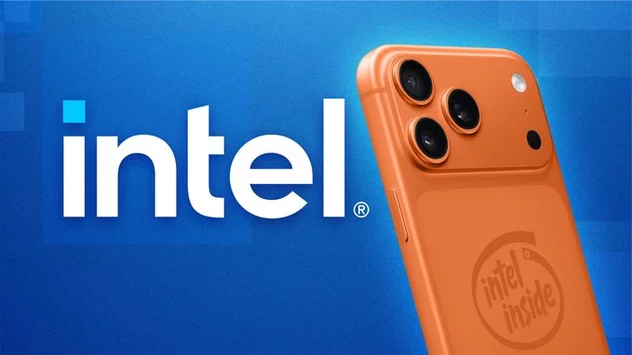
Apple could be reviving its connection with Intel, but in a very different way than the past. According to recent reports, Apple might rely on Intel for chip manufacturing rather than design, a shift that could impact future iPhone models starting in 2028. This move would allow Apple to diversify its chip supply while keeping the design fully in-house.
Investors and tech enthusiasts have been speculating about Apple’s chip strategy, especially with TSMC currently serving as the primary chip manufacturer. Partnering with Intel for fabrication could help Apple manage production bottlenecks and ensure smoother rollouts for high-demand iPhone models.
The rumored collaboration would focus on Intel’s advanced 14A process, a next-generation manufacturing technology expected to enter mass production by 2028. Apple would continue designing the chips itself, maintaining full control over the architecture, performance, and efficiency of its processors.
This approach contrasts sharply with Apple’s previous partnership with Intel, which powered Macs using Intel-designed x86 processors. Since Apple transitioned Macs to its own silicon in 2020, Intel has had no role in the company’s chip design. Now, the potential partnership would strictly involve fabrication.
Analyst Jeff Pu from GF Securities predicts that Intel could supply chips for non-pro iPhone models, potentially including A21 or A22 chips. While TSMC is expected to remain the dominant supplier, Intel’s involvement could help Apple scale production more efficiently for certain models, reducing supply chain risks.
For iPhone users, this could mean consistent performance improvements without Apple relying entirely on a single supplier. It also hints at a strategic move to future-proof production capabilities for Apple’s growing range of devices.
Apple’s decision to potentially collaborate with Intel reflects a broader trend in the tech industry: balancing design control with diversified manufacturing. By keeping design in-house and leveraging Intel’s upcoming 14A fabrication process, Apple can maintain its competitive edge while avoiding overdependence on TSMC.
This move could also signal Apple’s intent to explore more advanced manufacturing processes earlier than competitors. With chip performance increasingly crucial for AI, gaming, and augmented reality applications, ensuring a robust production pipeline is critical.
While nothing has been officially confirmed, analysts and industry watchers will be keeping a close eye on Apple’s chip strategy over the next few years. If the Intel collaboration moves forward, Apple fans may start seeing Intel-fabricated iPhones around 2028, reshaping the landscape of smartphone performance and supply chain management.
Apple’s potential return to Intel represents a careful balance of innovation, efficiency, and strategic planning—showing that even tech giants continuously evolve their partnerships to stay ahead.










Comment