
Alerts
-
3 minutes, 27 seconds
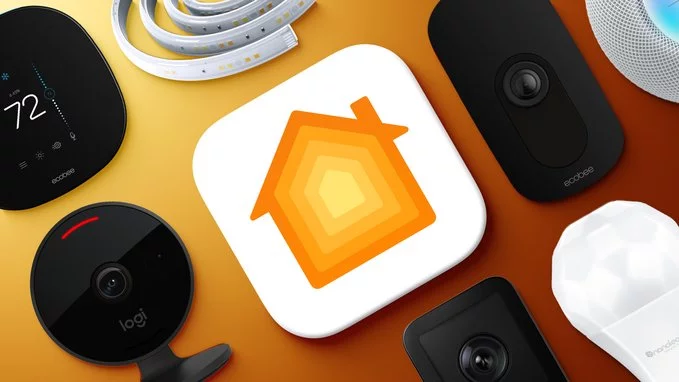
Apple is reportedly planning to enter the smart home security market with an AI-powered camera, targeting a release as early as 2026, though the company’s internal timeline may stretch to 2027. This move signals a significant push to compete more directly in the connected home space, a category where it has historically held a smaller footprint compared to rivals.
According to reports, the device is being designed to integrate deeply with Apple’s existing ecosystem, leveraging the company’s chip technology and machine learning capabilities. The camera is expected to offer advanced features such as facial recognition and person detection, building on the privacy-focused architecture that Apple has emphasized in its other products. However, the product is still in early development, and the final feature set could change before launch.
Industry analysts suggest that Apple’s entry could disrupt the market, given its established user base and reputation for seamless device integration. The company aims to offer a product that distinguishes itself through on-device processing and enhanced security, rather than competing on price alone.
True to form, Apple’s upcoming camera will not exist in a silo but will be woven directly into the company’s existing ecosystem. The device is designed to integrate seamlessly with HomeKit and Siri, allowing users to control the camera via voice commands or the Home app. This means you can ask Siri to show a specific camera feed on your Apple TV or HomePod, or trigger automations alongside other smart home accessories.
Setup and ongoing management will rely on an Apple device. As reported, the camera will likely require an iPhone for initial configuration and daily control, mirroring the approach used for HomePod and Apple TV. This dependency solidifies the product’s role as a lock-in mechanism for the broader ecosystem. By requiring an iPhone, Apple ensures that the camera’s most compelling features—such as secure video storage and Siri integration—are only accessible to those already invested in its hardware and services, deepening customer loyalty and the stickiness of its platform.
Privacy is a cornerstone of this device’s design, leveraging on-device AI to handle sensitive tasks like facial and pet recognition. By processing these features locally, the camera minimizes the transmission of personal data to the cloud, reducing exposure to potential breaches. This approach aligns with Apple’s long-standing stance on data security, prioritizing user control over personal information.
To further safeguard your footage, the camera supports end-to-end encryption, ensuring that video streams and recorded clips remain unreadable to anyone except the account owner. This encryption applies to both live viewing and stored content, creating a secure channel that even Apple cannot access. The combination of local processing and robust encryption reflects a commitment to protecting user privacy without sacrificing advanced functionality.
For users concerned about data misuse, this system offers clear advantages:
This privacy-first architecture ensures that intelligent features do not come at the cost of your security.
Pricing will be a critical factor in the camera's reception. It is expected to be positioned competitively, with analysts suggesting a price point around $200. This aggressive pricing could significantly impact the smart home security market, putting pressure on established players and potentially accelerating consumer adoption of Apple's home ecosystem.
However, potential buyers should temper their expectations regarding immediate availability. Like other Apple products, the camera may face production delays that could push its launch timeline back. While the exact cause of these potential setbacks is not specified, it is a recurring pattern for the company. If Apple delivers on its feature set and integration at the rumored price, it could disrupt the market. Conversely, a significant delay might allow competitors to strengthen their positions before Apple's entry, blunting the initial impact of its offering. The final outcome will depend on Apple's ability to manage its supply chain effectively.








Comment