
-
5 minutes, 14 seconds
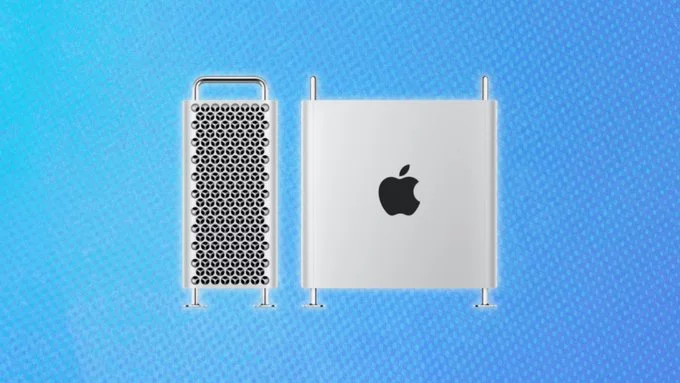
Apple Mac Pro discontinuation has become one of the most discussed changes in the tech world, especially among professionals who rely on high-end desktop performance. Many users are asking whether Apple has officially ended the Mac Pro line and what this means for future desktop options. The company has now shifted its focus toward streamlined desktop systems, marking a major turning point in its product strategy.
Apple has reportedly discontinued the Mac Pro, ending a product line that has existed for more than two decades. The device was once the centerpiece of Apple's professional computing lineup, designed for users who needed maximum performance and expandability. However, changing hardware trends and the rise of Apple Silicon have reshaped the company's approach. Instead of maintaining multiple high-end desktops, Apple now appears to be consolidating its offerings. The Mac Pro has been removed from online listings in many regions, signaling a clear strategic shift toward fewer but more powerful machines.
The decision to retire the Mac Pro line reflects a broader restructuring of Apple's desktop strategy. Rather than focusing on modular expansion systems, the company is prioritizing integrated performance through unified chip architecture. This approach reduces the need for traditional workstation towers while still delivering high computing power. For many professionals, the change signals the end of an era defined by upgradeable desktop hardware. At the same time, Apple continues to refine its remaining desktop lineup, ensuring each product serves a distinct role. The Mac Pro's disappearance highlights how rapidly the company is evolving its product ecosystem.
Apple's current desktop strategy now centers on three key products: Mac Mini, iMac, and Mac Studio. Each device is positioned to serve different types of users, from casual consumers to creative professionals. By simplifying its lineup, Apple aims to reduce confusion and strengthen performance differentiation across models. The Mac Studio, in particular, now occupies the high-performance segment previously associated with the Mac Pro. Meanwhile, the Mac Mini continues to appeal to budget-conscious users, while the iMac focuses on all-in-one convenience. This streamlined approach allows Apple to allocate more resources toward chip optimization and software integration. As a result, the desktop ecosystem becomes more cohesive and easier to navigate for both new and existing users.
Looking ahead, Apple users can expect continued improvements in performance efficiency across the Mac desktop lineup. The transition away from the Mac Pro does not signal a reduction in capability but rather a shift in design philosophy. Future desktops are likely to emphasize energy-efficient processors, tighter hardware, and seamless software integration across devices. This evolution reflects a broader industry trend toward compact yet powerful computing systems designed for modern workflows. For users, this means adapting to new upgrade paths and understanding how Apple's ecosystem continues to evolve around silicon driven performance. While the Mac Pro era has ended Apple overall desktop strategy remains focused on delivering high end performance in more accessible formats. This ensures that professionals creators and everyday users still have powerful options without the complexity of traditional workstation towers.
Industry analysts suggest that Apple's decision marks a significant turning point in desktop computing history. Rather than a setback it represents a deliberate move toward simplified product ecosystems and higher efficiency. The absence of the Mac Pro also highlights how rapidly consumer expectations and professional needs are evolving in the computing space. As Apple continues refining its silicon based architecture the desktop landscape is expected to become even more streamlined in the coming years. This shift may ultimately redefine how professionals approach high performance computing across industries worldwide. Overall Apple Mac Pro era closes shaping future desktop computing strategy

2.6K articles

1.4K articles

34 articles

28 articles












Comment