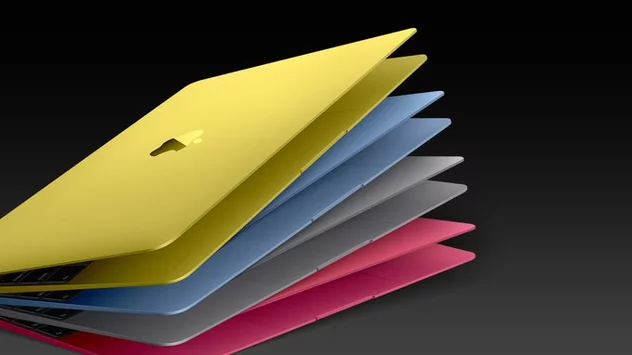
Apple’s low-cost MacBook is expected to launch within weeks, and early reports suggest it could be one of the company’s most unique laptops in years. Shoppers are asking: Will it be cheaper than the MacBook Air? What chip will it use? And why is Apple bringing back colorful designs? Here’s everything currently known about the rumored Apple Low-Cost MacBook, including design, performance, and how it could reshape Apple’s lineup.
Excitement is building because this model may signal a strategic shift. Apple appears ready to target students, first-time buyers, and budget-conscious users without compromising on core performance. If the rumors are accurate, this device could fill a gap that has existed for years.
Design leaks suggest the Apple Low-Cost MacBook will closely resemble the sleek look of the MacBook Air. Expect an aluminum chassis, slim profile, and a modern flat-edge finish. However, the biggest visual twist may be color.
Reports indicate Apple could introduce multiple vibrant finishes, possibly echoing the playful palette seen in the iMac. This would mark a noticeable departure from the typical silver, space gray, and midnight tones that dominate today’s MacBook lineup.
A colorful MacBook would not only stand out visually but also help Apple attract younger users. Students and creatives often gravitate toward expressive devices, and this approach could make the entry-level MacBook feel fresh and personal.
Screen size remains one of the biggest questions. Some sources suggest a 12.9-inch display, while others point to a standard 13-inch panel. Either way, the size positions it directly between ultra-portable convenience and everyday usability.
If Apple opts for a 12.9-inch display, it would be reminiscent of the discontinued 12-inch MacBook, a device praised for portability but criticized for performance limitations. A slightly larger 13-inch screen, however, would align more comfortably with mainstream expectations.
Display technology details remain unclear. Apple could stick with a traditional LCD panel to keep costs down, rather than adopting higher-end technologies reserved for premium models.
One of the most intriguing rumors surrounding the Apple Low-Cost MacBook is its processor. Instead of using an M-series chip, Apple may equip the device with a lower-power A-series chip, potentially derived from the A18 Pro architecture.
Using an A-series chip would significantly reduce production costs while still delivering impressive efficiency. These chips already power high-performance mobile devices and are known for strong single-core performance and excellent energy management.
This move could also allow Apple to create a fanless design. Lower power consumption means less heat, which could enable a thinner, quieter laptop. For students or everyday users browsing the web, streaming content, and working on documents, this setup could be more than sufficient.
Long-time Apple fans remember the ultra-thin 12-inch MacBook introduced years ago. That device emphasized portability but struggled due to limited processing power and a controversial keyboard design.
The Apple Low-Cost MacBook could be seen as a spiritual successor — but with key improvements. Apple’s chip design has advanced dramatically since then, especially after the success of its custom silicon transition.
Unlike the old Intel-powered model, this new device would likely deliver stronger battery life and smoother performance. If Apple avoids past mistakes and keeps thermal management under control, this could finally be the lightweight MacBook many users wanted.
Apple typically avoids creating internal competition within its product families. That’s why many analysts believe the company will carefully balance features to ensure this model does not overshadow higher-end laptops.
Making it thinner than the MacBook Air could create confusion. Apple tends to reserve ultra-thin innovation for premium devices, and offering a cheaper laptop that appears more advanced might blur the product hierarchy.
Instead, Apple may differentiate through chip choice, display quality, and port selection. Expect fewer ports and possibly simplified hardware to maintain clear separation from M-series models.
Launching a low-cost MacBook now makes strategic sense. Economic pressures continue influencing consumer purchasing decisions worldwide. A more affordable MacBook could drive strong demand among students preparing for a new academic cycle.
Additionally, competition in the mid-range laptop market has intensified. Offering a colorful, Apple-designed laptop at a lower price point would strengthen Apple’s ecosystem by bringing in new users who may later upgrade.
This strategy mirrors how Apple expanded its audience through accessible iPhones in past cycles. Once users enter the ecosystem, retention rates tend to remain high.
For consumers waiting on a budget-friendly Mac, this could be the most compelling entry point in years. Buyers who do not require advanced video editing power or professional-grade workflows may find this model perfectly adequate.
Portability, battery efficiency, and style appear to be the core pillars of the Apple Low-Cost MacBook. If pricing lands significantly below the MacBook Air, it could quickly become a bestseller.
However, those needing heavy multitasking performance may still prefer M-series machines. Understanding your daily workload will be crucial before deciding.
Apple’s rumored low-cost MacBook is shaping up to be more than just a cheaper laptop. It represents a potential shift in design philosophy, pricing strategy, and audience targeting. With colorful finishes, an A-series chip, and a likely lightweight form factor, it could stand out as one of Apple’s boldest Mac experiments in years.
If the launch happens as expected in early March, we won’t have to wait long to see how these rumors translate into reality. One thing is clear: Apple appears ready to make entry-level Macs exciting again.
Apple Low-Cost MacBook: Colorful Comeback Rum... 0 0 0 2 2
2 photos





Array