
Alerts
-
2 minutes, 38 seconds
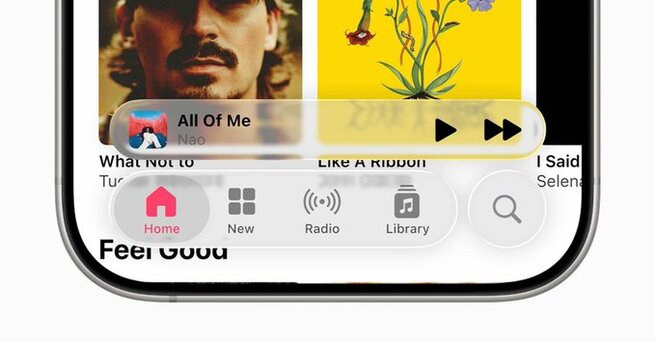
Apple's Liquid Glass Design Gets a Frosty Update in iOS 26
Apple has just made a subtle but impactful change to its liquid glass design in the latest iOS 26 developer beta, dialing back the transparency that once defined the look. If you’ve been struggling with readability or navigating translucent menus, this update is for you. The third beta version introduces a more frosted appearance to navigation bars, buttons, and tabs—making them easier to read without fully abandoning the signature Apple aesthetic.
Why Apple Changed the Liquid Glass Design
Apple introduced the liquid glass design language to bring a sleek, modern, and visually immersive experience. However, many users quickly pointed out issues—like difficulty identifying icons in the Control Center or reading through ultra-transparent overlays. Apple responded by toning things down in iOS 26 beta 2, and with beta 3, they've gone even further. The design now feels more functional and less flashy, balancing visual flair with practical usability.
User Reactions to the New Liquid Glass Look
Not everyone is thrilled. Some developers and beta testers feel like Apple is backtracking on its vision. Sam Kohl from AppleTrack said iOS 26 beta 3 “completely nerfs Liquid Glass,” making it look “cheaper.” Others argue that the interface no longer feels premium, calling the new look a step backward. Interestingly, transparency levels still vary slightly depending on the app, suggesting Apple may still be experimenting before the full public release.
What to Expect Before iOS 26 Public Launch
Since this is a developer beta, nothing is final yet. Apple will likely continue tweaking the liquid glass design based on ongoing feedback. By the time iOS 26 launches in September, we may see further refinement that strikes a better balance between sleek design and everyday usability. Until then, users should expect small changes as Apple fine-tunes one of its most ambitious UI design elements in recent years.








Comment