Apple faces a shakeup in its home hardware division as Brian Lynch, the senior director overseeing smart home devices, departs for smart ring maker Oura. Lynch’s move raises questions about the future of Apple’s highly anticipated home products, including its delayed smart home hub. Industry insiders say his exit could signal fresh changes for Apple’s home ecosystem just as major launches approach.
Brian Lynch Joins Oura as SVP of Hardware Engineering
After more than 20 years at Apple, Brian Lynch is taking on a new role at Oura as senior vice president of hardware engineering. Lynch has played a key part in Apple’s home hardware development, previously contributing to the company’s car project before shifting focus to smart home devices. His expertise in hardware design and innovation is expected to accelerate Oura’s ambitions in wearable smart technology.
Oura, known for its smart rings and health-focused wearables, has previously hired multiple Apple employees, and Lynch’s arrival continues this trend. Analysts suggest that recruiting experienced Apple engineers gives Oura an edge in developing next-generation wearable devices.
Impact on Apple’s Smart Home Plans
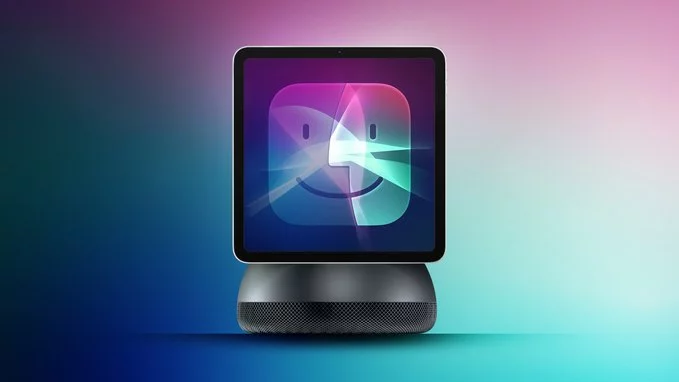
Lynch’s departure comes at a critical time for Apple. The company has been working on a new smart home hub with a dome base and integrated Siri features, though the launch has faced delays due to ongoing Siri development challenges. The smart hub is now expected to debut in September 2026, alongside plans for other home innovations such as a security and automation sensor and a more advanced tabletop robot set for 2027.
Apple’s roadmap also includes ambitious projects beyond the home, including smart glasses, a wearable AI pendant or pin, and AirPods with camera functionality. Industry watchers note that leadership changes like Lynch’s can slow timelines or shift priorities for hardware projects that require precise engineering coordination.
Internal Team Changes at Apple
Within Apple, Lynch reported to Matt Costello, who manages both audio engineering and Beats devices. Costello, in turn, reports to John Ternus, Apple’s hardware engineering chief. Lynch’s exit reportedly introduces “fresh upheaval” within the home hardware team, which is navigating multiple high-profile product launches.
Longtime employees suggest that while Apple’s engineering teams are resilient, losing a veteran leader like Lynch creates a temporary void in expertise, especially as the company prepares to expand its home ecosystem. Leadership continuity is often critical for integrating software, hardware, and AI features in Apple’s complex product lineup.
Oura’s Strategy and Apple Talent Acquisition
Oura has steadily attracted talent from Apple, reflecting a broader industry trend of smaller wearable companies poaching experienced engineers from tech giants. Lynch’s transition signals Oura’s commitment to scaling its hardware capabilities and innovation pipeline. Experts believe that his experience in large-scale device engineering will enable Oura to accelerate development timelines and expand the functionality of its smart rings.
With Apple and Oura both targeting wearable and home automation markets, this move highlights the competition for top engineering talent and the importance of seasoned leadership in shaping next-generation consumer devices.
Apple now faces the dual challenge of maintaining momentum on its home device launches while adjusting to the departure of a key engineering leader. Meanwhile, Oura gains a high-profile addition to its team, reinforcing its position in the competitive wearable tech space.












Comment