
Alerts
-
3 minutes, 32 seconds
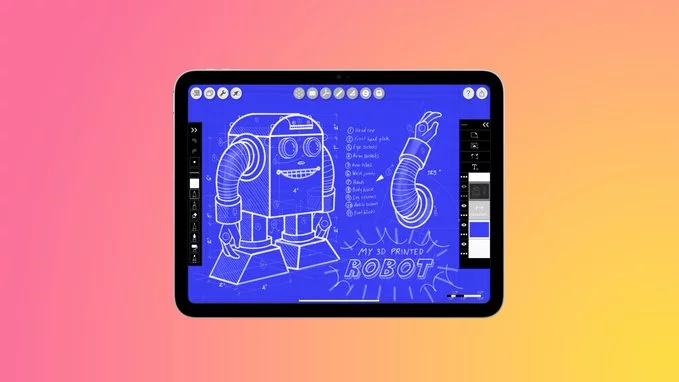
References discovered inside Apple's own software have spilled the first concrete details about the twelfth-generation iPad, confirming a notable internal upgrade over the current model. The code points to the tablet running Apple's A19 chip, paired with 8GB of RAM — a combination that should give the entry-level iPad more headroom for multitasking and on-device features.
Connectivity appears to be getting equal attention. The leak names Apple's N1 wireless chip, suggesting the iPad 12 will handle Wi-Fi and Bluetooth duties through Apple's in-house networking silicon rather than a third-party component. The code also references the C1X modem, indicating cellular configurations of the tablet will use Apple's own modem hardware.
Taken together, the findings suggest Apple is pushing its custom silicon deeper into its most affordable tablet line. None of the references have been officially confirmed, so treat the specifications as unverified until Apple announces the device. Still, the appearance of these identifiers in shipping software gives the leak more weight than a typical supply-chain rumor.
The headline revelation from the leaked Apple code concerns the iPad 12's core hardware. The device is confirmed to ship with the A19 chip, the same silicon family expected to power Apple's next-generation mobile lineup. Paired with it is 8GB of RAM, a notable figure for a standard, non-Pro iPad.
That memory allocation matters more than it might first appear. 8GB is the threshold Apple has tied to its on-device AI features, meaning the iPad 12 should be capable of running Apple Intelligence without the compromises seen on lower-memory hardware. It also gives the tablet considerably more headroom for multitasking and heavier apps than its predecessor.
The combination of the A19 and 8GB of RAM suggests Apple is positioning the entry-level iPad closer to its premium models than ever before, rather than treating it as a deliberately limited device. For buyers weighing an upgrade, these two specifications alone may be the most persuasive argument in the iPad 12's favour.
The leaked code also points to the iPad 12 shipping with Apple's N1 wireless chip. This is the same connectivity component Apple introduced with the iPhone 17 lineup, and its appearance in iPad firmware strings suggests the company is bringing its in-house wireless design to the tablet line.
The N1 handles Wi-Fi, Bluetooth, and related wireless duties. By moving to its own silicon rather than relying on a third-party part, Apple gains tighter integration between the chip and the rest of the system, which typically translates into better power efficiency and more consistent performance across wireless tasks.
For iPad buyers, the practical effect should be modest but welcome: steadier connections, improved battery behaviour when the tablet is idle but still connected, and smoother handoff between accessories. It is not the kind of upgrade that shows up in a spec sheet headline, but it is the sort of change that shapes day-to-day use.
Taken together with the other leaks, the N1 reinforces the picture of the iPad 12 as an iterative refresh built on components Apple already trusts.
The most consequential internal change may be the modem. References in Apple's code confirm that the iPad 12 will use the C1X modem, the same cellular component Apple introduced with the iPhone Air.
That detail matters because it signals a broader shift in Apple's hardware strategy. Rather than relying on a third-party supplier for cellular connectivity, the company is continuing to roll out its own in-house modem designs across more of its product line. The C1X already proved capable in a phone that prioritises thinness and efficiency, and bringing it to the iPad suggests Apple is confident in both its performance and its power profile.
For buyers, the practical upside is likely improved battery life on cellular models and tighter integration between the modem and the rest of the silicon. Apple's custom components tend to work together more efficiently than mixed-vendor setups, and the C1X paired with the N1 wireless chip and A19 processor should follow that pattern.
Apple has not yet confirmed a release date or pricing, so treat these code-derived findings as a strong indication rather than an official announcement.









Comment