Alerts

-
3 minutes, 15 seconds
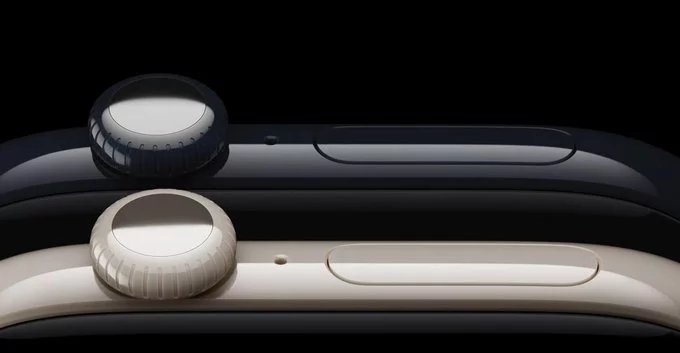
Apple is bringing ceramic back for the Apple Watch Series 12. The material, which last appeared on the Series 5, returns as a premium finish option in the new lineup. Ceramic sits above the standard aluminium and titanium configurations, giving buyers a third material choice at the top end of the range.
The return marks a shift in Apple's material strategy. When ceramic was discontinued after the Series 5, titanium became the go-to premium option. Now the two will coexist, with ceramic positioned as the more exclusive of the pair.
Ceramic's appeal lies in its glossy, jewel-like finish and its reputation for durability. It is also notably harder to scratch than metal, a point Apple is likely to emphasise in its marketing.
For collectors and long-time Apple Watch users, the comeback is a welcome one. Ceramic models have historically held their value well on the secondary market, and demand for the older Series 5 ceramic editions never fully faded.
Ceramic is Apple's pricier, more durable option for the Apple Watch Series 12. Buyers who choose this finish should expect a higher price than the standard materials, but Apple positions the extra cost as an investment in longevity rather than pure aesthetics.
The durability claim rests on ceramic's hardness. Because the material is harder than the metals used on other models, it resists the everyday wear that gradually dulls a watch's appearance. Apple's pitch is straightforward: pay more now, and the case should hold up better over years of daily use.
That trade-off shapes who the option suits. If you want the lightest possible watch or the lowest entry price, ceramic is not the obvious pick. If you plan to keep the Series 12 for a long time and want the case to stay looking new, the premium may be easier to justify.
It is also worth noting that ceramic is not the only premium finish in the lineup. Titanium sits alongside it, and the two materials differ in ways that matter depending on how you use your watch.
One of the clearest arguments for choosing ceramic is scratch resistance. The ceramic option should be more scratch-resistant than titanium, which makes it the better pick for anyone who wants their case to keep its finish over time.
This matters because titanium, while tough and premium-feeling, is not immune to the everyday wear that accumulates on a device carried everywhere. Keys, coins, and rough surfaces can all leave their mark. Ceramic's hardness gives it an edge here, helping it shrug off the minor abrasions that would dull or scuff a metal surface.
For buyers weighing the two materials, the trade-off is straightforward:
If keeping your phone's case looking new is a priority, ceramic's superior scratch resistance is a meaningful reason to consider it over titanium.
If you are shopping for a Series 12, the return of ceramic changes the decision in a fairly simple way. Ceramic is the pricier option, but it is also the more durable and more scratch-resistant alternative to titanium. Titanium remains the lighter, tougher-feeling choice, yet it is not immune to scuffs and scratches over time.
For buyers, that trade-off comes down to priorities. If you want the most scratch-resistant finish available and don't mind paying more for it, ceramic is the clear pick. If you would rather keep costs down and prefer titanium's lighter feel, the titanium model still makes sense.
There is no wrong answer here, only a question of what you value most: maximum resistance to wear, or a lower price with a different set of strengths. Either way, the Series 12 gives you a genuine choice between two premium materials.









Comment