Alerts

-
4 minutes, 26 seconds
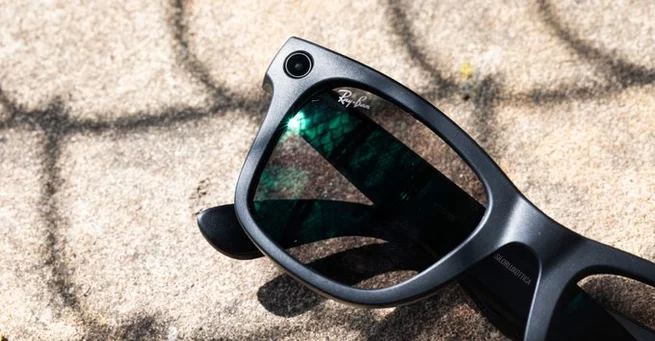
Apple is reportedly accelerating its push into AI-powered wearables, with plans to launch smart glasses, a pendant, and AirPods equipped with cameras and AI integration. These devices aim to enhance daily life by connecting seamlessly to the iPhone and using Siri to perform tasks based on what users see around them. Tech enthusiasts are eager to see how Apple’s offerings will compete with existing smart glasses and audio wearables.
Apple’s upcoming smart glasses are expected to go into production by December 2026, with a 2027 launch in sight. Unlike traditional AR glasses, these will not include a display but will feature speakers, microphones, and high-resolution cameras. Users will be able to make calls, play music, and interact with Siri using visual cues. For instance, the glasses could identify ingredients in meals, recognize landmarks, or provide location-based reminders.
Alongside smart glasses, Apple is reportedly working on a pendant that brings AI capabilities closer to the body. While details remain scarce, the pendant will likely include a camera and sensors to complement Apple’s ecosystem. The goal is to allow Siri to react intelligently to surrounding environments, offering contextual assistance without the need to pull out a phone. This device could appeal to users who want subtle, wearable tech that blends seamlessly with everyday fashion.
Apple is also planning AirPods that go beyond high-quality sound. These AI-powered earbuds could include cameras and sensors to provide contextual insights to the wearer. Imagine AirPods that can detect who’s speaking, assist with directions, or enhance real-time translation. By combining audio and visual AI features, Apple is positioning these devices as more than just headphones—they become smart assistants that anticipate user needs.
Unlike some competitors that partner with third-party brands, Apple is reportedly developing the smart glasses frames in-house. Early prototypes used external cables to connect to iPhones and battery packs, but newer designs embed all components within the frame. This approach emphasizes a high-quality build and advanced camera technology, reflecting Apple’s focus on premium design and functionality. Users can expect a refined, durable wearable that integrates seamlessly with other Apple devices.
Apple’s move positions it directly against Meta’s smart glasses and other AI wearables. By integrating cameras, AI, and iPhone connectivity, Apple aims to differentiate its devices through utility, design, and innovation. With the wearables market growing rapidly, these devices could redefine how users interact with technology daily. From hands-free assistance to contextual AI actions, Apple is betting on a future where smart devices anticipate user needs rather than just respond to commands.
For consumers, these upcoming Apple devices promise convenience, intelligence, and integration. Whether identifying objects through smart glasses, receiving real-time insights from a pendant, or leveraging AI-assisted audio via AirPods, Apple is expanding the role of wearables in everyday life. As production gears up for 2027, anticipation is high for devices that may not just connect with technology but fundamentally enhance human perception and interaction.










Comment