


App Developer Sues Apple Over Continuity Camera Copying Claims
-
6 minutes, 48 seconds
App Developer Sues Apple, Triggering Fresh Debate Over Platform Power
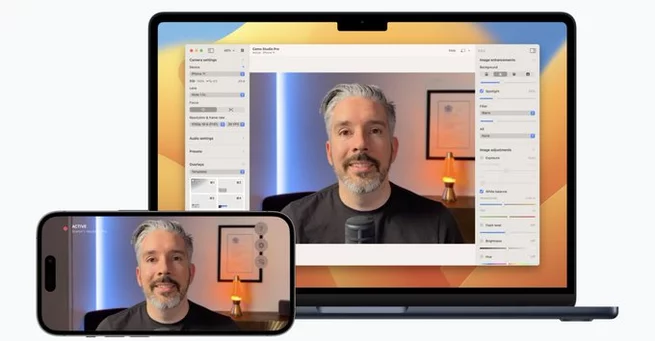
App developer sues Apple in a lawsuit that raises urgent questions many users are already searching for: Did Apple copy an independent app’s idea, and did it use its platform control to squeeze out competition? The case centers on Continuity Camera, a built-in feature that turns an iPhone into a webcam. The developer behind a popular third-party alternative claims Apple not only replicated its technology but also blocked fair competition. As regulators worldwide scrutinize big tech, this dispute adds new fuel to the debate.
Lawsuit Claims Apple Copied Key Webcam Technology
The company bringing the case is Reincubate, creator of the Camo and Camo Studio apps. These tools allow users to turn smartphones into high-quality webcams for computers, solving a long-standing problem for remote workers and creators. Camo launched in 2020 and quickly gained traction among professionals looking for better video quality than standard webcams.
Two years later, Apple introduced Continuity Camera, offering similar functionality but only within its own ecosystem. According to the lawsuit, Apple copied core ideas and technical approaches that Reincubate had already developed and refined. The filing alleges that this was not coincidence but the result of Apple closely observing how Camo worked and how users responded to it.
Allegations of Anticompetitive Behavior Inside the Ecosystem
Beyond copying features, the lawsuit focuses heavily on competition. Reincubate claims Apple used its control over operating systems and app distribution to disadvantage third-party solutions. The argument is that once Continuity Camera launched, system-level changes made it harder for Camo to function as smoothly as before.
Reincubate argues that Apple redirected user demand toward its own built-in option, leaving independent developers with fewer ways to compete. Because Continuity Camera is deeply integrated and free, users may never search for alternatives, even if those alternatives work across more devices. This, the company claims, undermines innovation by discouraging developers from building advanced tools on Apple platforms.
Apple’s Early Support Becomes a Core Point of Contention
One of the most striking claims in the lawsuit is that Apple initially supported Camo. Reincubate says thousands of Apple employees used the app internally across different teams. During this period, the company alleges Apple encouraged further investment and improvement, signaling long-term cooperation.
According to Reincubate, that relationship changed once Apple realized the broader potential of the technology. The lawsuit claims Apple shifted from supporter to competitor, eventually releasing its own version while limiting what third-party apps could do. This alleged reversal forms a key part of the developer’s argument that Apple acted unfairly.
CEO Speaks Out on “Sherlocking” Concerns
Reincubate’s CEO has publicly described feeling puzzled and frustrated by the launch of Continuity Camera. In his view, Apple took features proven by an independent developer and deployed them at massive scale. He argues that the real conflict is not with users, but with what he calls a “walled garden” that restricts interoperability.
The term “Sherlocking” is often used in tech circles to describe when a platform owner builds a native feature that closely mirrors a popular third-party app. While not illegal on its own, the practice becomes controversial when combined with platform restrictions that limit competitors’ options.
Why This Case Matters Beyond One App
This lawsuit goes far beyond webcams. It highlights ongoing tensions between large platform owners and the developers who rely on them. For smaller companies, the risk is clear: even successful ideas can be absorbed by the platform itself. When that happens, independent innovation may slow as developers fear being sidelined.
For users, the outcome could shape future choices. Built-in tools are convenient, but competition often leads to better features, broader compatibility, and faster improvements. If developers feel discouraged, users may ultimately see fewer creative solutions.
Growing Regulatory Pressure Adds Weight to the Dispute
The timing of the lawsuit is notable. Governments and regulators around the world are increasingly focused on whether dominant tech companies misuse their power. Claims involving copied technology, restricted interoperability, and platform favoritism align closely with issues already under regulatory review.
If the case moves forward, it could influence how courts view the balance between platform innovation and fair competition. Even if Apple ultimately prevails, the arguments raised may shape future rules and developer expectations.
What Comes Next for Apple and Independent Developers
Apple has not yet publicly responded in detail to the claims, and the legal process may take years. Still, the lawsuit itself sends a strong message. Developers want clearer boundaries and assurances that building innovative tools will not lead to being outmatched by the platform owner.
For now, the case stands as a reminder of the delicate relationship between powerful ecosystems and the creators who help make them valuable. Whether this lawsuit succeeds or not, it underscores a growing call for transparency, fairness, and balance in modern app marketplaces.



Contact Information





Suggested Writers
-

2.5K articles
-

1.3K articles
-

34 articles
-

28 articles



Comment