Alerts

-
4 minutes, 3 seconds
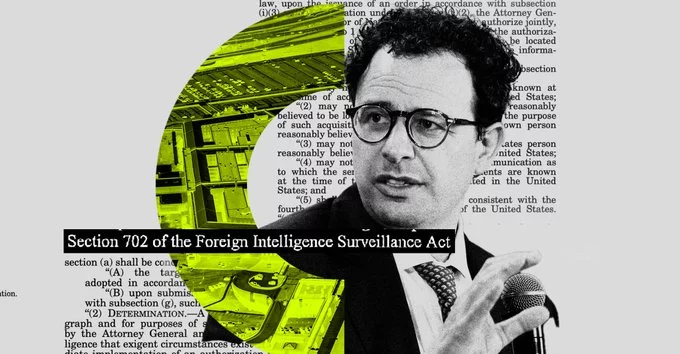
Tech company Anthropic, the creator of the AI Claude, is in a heated legal battle with the Pentagon, raising alarms about government surveillance and corporate rights. The Pentagon recently labeled Anthropic a supply chain risk, prompting the company to sue, claiming violations of its First and Fifth Amendment rights. This confrontation is more than just corporate tension—it highlights the growing clash between AI innovation and government oversight. For anyone tracking AI ethics and surveillance, understanding this dispute is critical.
The Pentagon’s decision to classify Anthropic as a supply chain risk has sent shockwaves through the tech community. According to Anthropic, the government’s designation is an attempt to “destroy the economic value” of one of the fastest-growing AI companies. While supply chain security is important for national defense, critics argue that this move reflects broader concerns about government overreach in technology regulation. The case underscores a larger debate: how far should governments go when monitoring or controlling AI development?
The current situation cannot be separated from America’s history of mass surveillance. Agencies like the NSA have long wielded legal authority to monitor communications and data, often sparking public backlash and privacy debates. Experts warn that AI technologies could make surveillance far more pervasive, raising ethical and constitutional questions. Anthropic’s cautious stance reflects the lessons of the past: trust in government promises does not always align with real-world actions.
Anthropic’s lawsuit is emblematic of a growing tension between tech firms and government agencies. Companies that develop advanced AI face scrutiny over how their products might be used for surveillance, cybersecurity, or military purposes. For private enterprises, defending innovation while maintaining ethical standards has become a delicate balancing act. Anthropic’s challenge is as much about protecting corporate autonomy as it is about public privacy and civil liberties.
The implications of this case go beyond corporate disputes. AI is becoming a tool for governments worldwide, and how legal frameworks adapt—or fail to adapt—will affect millions of users. Questions about data privacy, ethical AI deployment, and corporate responsibility are central to debates about trust in both technology and government. For anyone using AI, staying informed about these legal battles is essential, as they shape the future of digital rights and innovation.
The Anthropic-Pentagon legal battle is likely to unfold over months, with potential ripple effects across the tech industry and public policy. Observers are watching closely to see whether courts will side with corporate autonomy, government oversight, or a nuanced middle ground. One thing is clear: debates over AI surveillance, trust, and legal authority are just beginning—and they will shape how society interacts with increasingly powerful technologies.










Comment