Alerts

-
6 minutes, 9 seconds
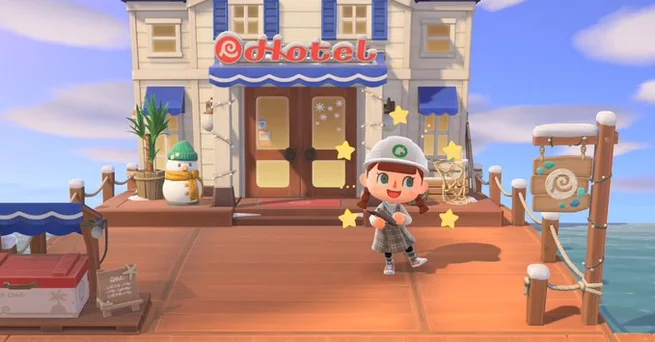
Animal Crossing: New Horizons 3.0 Update is giving longtime players a real reason to come back, and the answer to the biggest question fans are asking is simple: yes, it genuinely improves the experience. Within minutes, the update reveals its goal—reducing frustration without breaking the slow, cozy rhythm that defines the series. Instead of reinventing island life, the changes quietly remove pain points that once pushed players away. For anyone who loved the game but drifted off, this update feels like a thoughtful invitation to return.
Animal Crossing has always resisted instant rewards. Progress unfolds over real-world days, friendships grow gradually, and even simple tasks demand patience. That deliberate pacing is part of the charm, encouraging players to relax rather than rush. However, over time, some of that slowness crossed into unnecessary repetition.
Crafting items one at a time, terraforming landscapes tile by tile, and repositioning furniture piece by piece added friction where none was needed. These actions didn’t deepen immersion; they simply made long sessions feel exhausting. The 3.0 update recognizes that distinction and carefully trims the excess without compromising the game’s identity.
The most impactful additions in the Animal Crossing: New Horizons 3.0 Update are the quality-of-life improvements. Crafting now respects the player’s time, allowing smoother interactions instead of endless confirmations. Movement feels more fluid, with better control that makes everyday tasks less clunky.
Terraforming, once one of the most dreaded chores, becomes far more approachable. Building cliffs and shaping rivers still takes effort, but the process no longer feels like a test of endurance. These tweaks don’t make the game faster in spirit—they simply make it kinder to the player.
Beyond mechanical improvements, the update introduces a new hotel-style location that expands how players interact with villagers and visitors. This space adds variety without overwhelming the core loop, offering something fresh to explore during daily check-ins. It blends naturally into the world, reinforcing the idea that island life is evolving rather than restarting.
The hotel also subtly encourages creativity and routine. Instead of feeling like a one-time attraction, it becomes another reason to log in, experiment, and engage with the community of characters that define the game’s warmth.
One of the update’s biggest strengths is restraint. There is no flood of new systems demanding attention, no pressure to relearn the game from scratch. Everything feels additive, not disruptive. That approach respects players who invested hundreds of hours early on and simply needed the experience to feel smoother.
For returning players, the changes are immediately noticeable. Tasks that once felt like barriers now fade into the background, letting creativity and relaxation take center stage again. It feels less like starting over and more like slipping back into a familiar routine that finally runs the way it should.
Alongside the content update, a separate edition improves performance and visual clarity. Frame rates feel steadier, and the island appears sharper, especially during busy scenes. While this version doesn’t introduce major gameplay changes, the technical polish enhances immersion.
Importantly, these improvements don’t oversell themselves. They exist to support the experience, not redefine it. For players who value smooth performance, the upgrade feels worthwhile without being essential.
Many updates promise to bring players back, but few understand why they left. The Animal Crossing: New Horizons 3.0 Update succeeds because it listens rather than shouts. It acknowledges that the game was never broken—it just needed refinement.
By focusing on comfort, flow, and respect for player time, the update aligns perfectly with the series’ philosophy. It doesn’t chase trends or force urgency. Instead, it gently removes obstacles that once stood between players and enjoyment.
This update won’t dominate headlines or redefine the genre, and that’s exactly why it works. It understands its audience: players who value calm, creativity, and consistency. The improvements are subtle but meaningful, designed to be felt rather than flaunted.
For anyone who drifted away after burnout set in, now is the best moment to return. Island life hasn’t changed its soul—it has simply learned how to breathe a little easier.










Comment