
-
5 minutes, 32 seconds
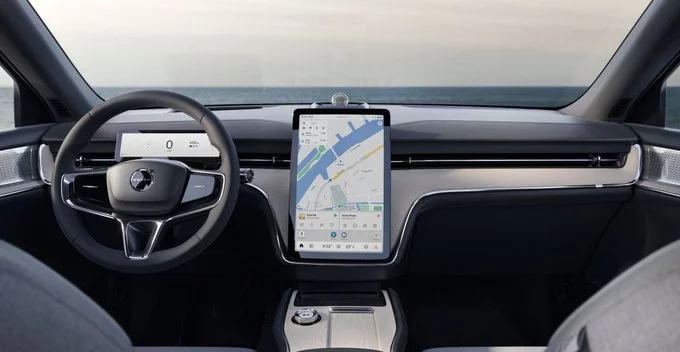
Android Automotive OS is no longer just powering infotainment screens—it’s now evolving into the central “brain” of modern vehicles. This shift answers a growing question among drivers and tech enthusiasts: what powers next-generation cars? The answer lies in software-defined vehicles, where operating systems manage everything from entertainment to core vehicle functions. Automakers are increasingly adopting this approach to create smarter, more adaptable cars that improve over time through updates.
This transformation marks a major milestone in how vehicles are designed and experienced. Instead of isolated systems, cars are becoming unified digital platforms. That means faster updates, better integration, and a more seamless driving experience.
Traditionally, Android Automotive handled non-essential features like navigation, media, and voice commands. Now, it is being positioned as part of a broader system that supports the vehicle’s internal computing architecture. This doesn’t mean it controls safety-critical systems like braking or steering—but it plays a key role in everything else.
The concept revolves around “open architecture,” allowing automakers to build customizable experiences on top of a flexible platform. This approach reduces dependency on proprietary systems and accelerates innovation. It also allows car manufacturers to integrate new features more easily without rebuilding the entire system.
For drivers, this means smoother interfaces, smarter apps, and more personalized experiences. For automakers, it offers efficiency and scalability in developing future vehicles.
The rise of software-defined vehicles is reshaping the automotive industry. Instead of relying heavily on hardware upgrades, carmakers can now deliver improvements through software updates. Features can be added, enhanced, or even fixed remotely.
Google is positioning Android Automotive as a key player in this transformation. By extending its role beyond infotainment, the platform becomes a central hub for managing various digital functions. This aligns with the broader trend of turning cars into connected, intelligent devices.
This shift also allows vehicles to stay relevant longer. Rather than becoming outdated, cars can evolve with new capabilities over time—similar to smartphones.
A clear example of this transition can be seen in the Volvo EX90. This electric SUV showcases how Android Automotive integrates deeply into a vehicle’s ecosystem. While it still powers infotainment, it also interacts with other systems to create a cohesive digital environment.
The EX90 demonstrates how automakers are embracing centralized computing. Instead of multiple disconnected systems, everything works together under a unified framework. This leads to better performance, fewer glitches, and a more intuitive user experience.
Such vehicles highlight how software is becoming just as important as hardware in defining a car’s capabilities.
Open architecture is a key factor behind this evolution. It allows developers and manufacturers to collaborate more effectively, creating a wider range of features and services. This flexibility encourages innovation while reducing development time.
For consumers, it means access to more apps, better integrations, and continuous improvements. For the industry, it sets a foundation for future advancements like autonomous driving and advanced connectivity.
Importantly, Android Automotive focuses on non-safety systems, ensuring that critical vehicle functions remain secure and separate. This balance between openness and safety is crucial for building trust in modern automotive technology.
For everyday drivers, this shift may not be immediately visible—but its impact will be significant. Cars will feel more responsive, more personalized, and more connected. Updates will arrive seamlessly, adding new features without requiring a visit to a dealership.
This evolution also paves the way for smarter ecosystems, where cars interact with other devices and services. From improved navigation to enhanced entertainment, the possibilities are expanding rapidly.
As Android Automotive moves into the “brain” of the car, it signals a future where vehicles are not just machines—but intelligent platforms designed to adapt, learn, and improve over time.

2.6K articles

1.4K articles

34 articles

28 articles














Comment