AMD Ryzen AI Halo: First PC for Local AI
-
4 minutes, 28 seconds
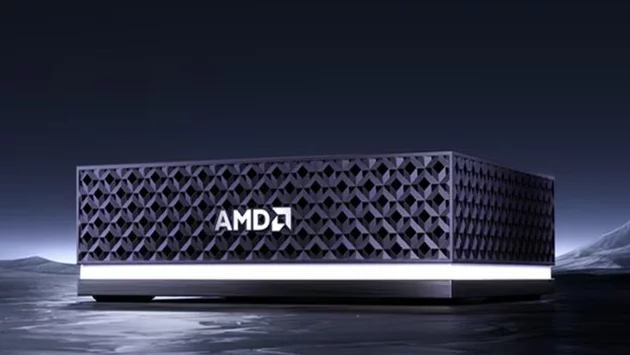
AMD Enters the PC Market with Ryzen AI Halo
AMD is stepping into the PC market in 2026 with a bold new offering: the Ryzen AI Halo. Designed to compete directly with Nvidia's DGX Spark mini PC, this system promises serious performance for AI developers and enthusiasts alike. Early reports reveal that the device is engineered for multi-display setups and can handle local AI workloads with impressive speed. Curious users and AI professionals alike are asking: will AMD’s first PC live up to the hype?
Powerful Hardware Built for AI
At the heart of Ryzen AI Halo lies the Ryzen AI Max+ 395 processor, featuring up to 16 Zen 5 CPU cores and 32 threads. This combination enables heavy multitasking and complex AI computations simultaneously. AMD is also integrating a neural processing unit (NPU) alongside Radeon GPU cores, allowing AI tasks to run natively and efficiently. Users can expect smoother performance when training or running large generative AI models.
Unified Memory for Seamless Performance
The Ryzen AI Halo comes equipped with up to 128GB of unified memory, ensuring demanding AI workloads don’t slow down. This memory setup is particularly useful for developers working with massive AI models that require rapid data access. AMD claims the system provides full ROCm support across both Windows and Linux platforms, ensuring cross-platform compatibility from day one. This makes it a versatile choice for professional developers and AI researchers.
Local AI Development Gets a Boost
AMD positions Ryzen AI Halo as a reference platform for local AI development. Unlike cloud-dependent solutions, this PC allows AI tasks to run locally, reducing latency and boosting privacy. Developers can experiment with AI models without needing constant cloud access, which may cut costs and enhance security. The device is also optimized for day-one AI model compatibility, streamlining workflows for both hobbyists and professionals.
Competing with Nvidia’s DGX Spark
The Ryzen AI Halo is designed to go head-to-head with Nvidia’s DGX Spark mini PC. Both devices target AI developers and researchers, but AMD emphasizes accessibility and flexibility. By combining CPU, GPU, and NPU capabilities in a single system, Ryzen AI Halo aims to provide a balanced, high-performance experience. Early benchmarks suggest AMD’s approach could challenge Nvidia’s dominance in compact AI-focused PCs.
Future-Proofing for AI Workloads
AMD’s first PC launch signals the company’s commitment to the AI market. With local AI computing gaining momentum, Ryzen AI Halo is positioned as a future-proof solution for developers who demand speed, versatility, and reliability. The inclusion of an integrated NPU, extensive unified memory, and multi-platform support ensures this system can handle AI workloads for years to come. Enthusiasts are already speculating on how this will reshape desktop AI development.
Launch Plans and Expectations
While AMD has confirmed a 2026 release, pricing and availability details are still under wraps. Analysts expect the Ryzen AI Halo to target professionals and early adopters eager for local AI power. Given the combination of CPU cores, threads, NPU integration, and cross-platform support, this first AMD PC could redefine expectations for desktop AI performance. AI developers and tech fans are watching closely—AMD’s debut might just make waves in the AI computing space.



Contact Information




Suggested Writers
-

2.5K articles
-

1.4K articles
-

34 articles
-

28 articles






Comment