
-
4 minutes, 14 seconds
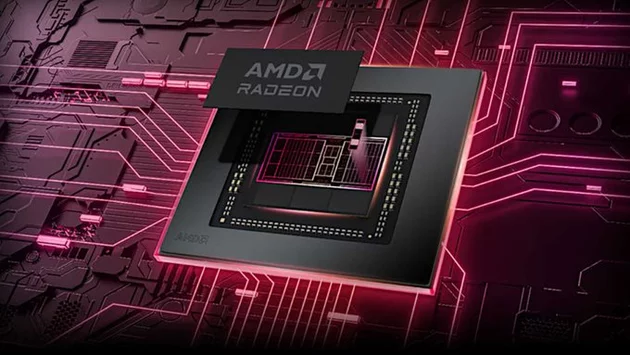
AMD appears ready to limit its next-generation RDNA5 graphics architecture to high-end GPUs and premium integrated graphics. Meanwhile, more affordable Ryzen AI processors will continue using the tried-and-true RDNA3.5 design, ensuring mainstream devices remain consistent through 2029. This strategy sheds light on why RDNA4 mobile chips never launched and how AMD plans to structure its GPU roadmap.
Rumors suggest that RDNA5, the architecture behind AMD's next-gen RX 10000 series, will primarily target premium graphics cards and top-tier integrated graphics in upcoming Ryzen processors. By keeping RDNA5 exclusive, AMD can focus its advanced performance and power efficiency features on hardware that caters to gamers and creators who demand the highest capabilities. This approach mirrors how AMD has historically separated mainstream and enthusiast-tier GPUs.
For mid-range and budget systems, AMD isn’t rushing to adopt RDNA5. Current Ryzen AI 300 and AI 400 series processors, along with upcoming Ryzen AI Max 400 Gorgon Point and Gorgon Halo chips, will continue using RDNA3.5. This strategy ensures stability for mainstream users and reduces development risks while allowing AMD to gradually transition its ecosystem without fragmenting support for software or drivers.
The absence of RDNA4 mobile GPUs likely stems from this tiered approach. Instead of rolling out a completely new generation for laptops and lower-end systems, AMD has chosen to refine and extend RDNA3.5 for mobile platforms. This means laptop users can expect incremental improvements in power efficiency and performance without a full architectural leap, keeping costs predictable and product cycles smoother.
Throughout 2026, AMD is expected to focus on refreshing its current lineups rather than introducing entirely new GPU architectures for mainstream devices. While desktop enthusiasts may anticipate the RX 10000 series with RDNA5 after Nvidia’s next-gen launches in 2027, mobile and mid-range consumers will continue to benefit from RDNA3.5 improvements. The strategy emphasizes reliability and longevity for existing hardware platforms.
For high-end users, RDNA5 promises performance gains and advanced features that could rival Nvidia’s future graphics cards. However, mainstream users shouldn’t feel left behind—RDNA3.5 remains a solid choice for gaming at 1080p and productivity workloads. AMD’s roadmap indicates a careful balance between cutting-edge innovation and wide-scale accessibility, ensuring that all users have a viable option.
Limiting RDNA5 to premium chips could allow AMD to differentiate its products more sharply, potentially boosting profitability on high-margin GPUs while maintaining competitiveness in mainstream markets. Meanwhile, sustaining RDNA3.5 through 2029 provides a stable foundation for laptop makers, OEMs, and consumers who prioritize cost-effectiveness and proven reliability over bleeding-edge performance.
AMD’s tiered GPU strategy suggests a thoughtful approach to technological advancement, balancing innovation with practical deployment. As RDNA5 gears up for its high-end debut, RDNA3.5 will continue to power mainstream systems, ensuring that AMD’s GPU lineup remains robust and versatile across price points for years to come.

2.5K articles

1.4K articles

34 articles

28 articles














Comment