Alerts

-
2 minutes, 47 seconds
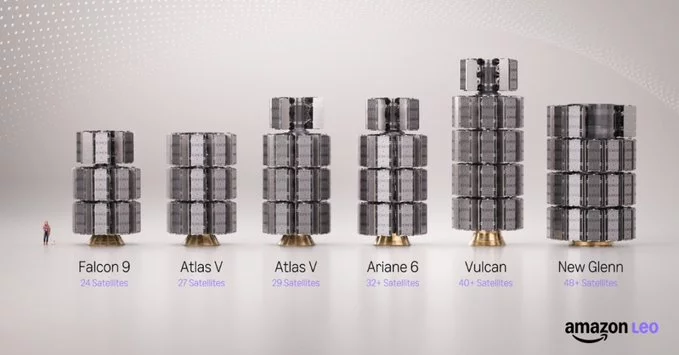
Amazon has officially reached a major milestone in its quest to challenge SpaceX's Starlink. The company now has enough satellites in orbit to begin launching its own broadband internet service, called Project Kuiper. This means Amazon is ready to compete directly with Starlink for the growing market of satellite internet, especially in rural and remote areas.
Project Kuiper is Amazon's plan to provide high-speed internet using a constellation of satellites in low Earth orbit (LEO). The goal is to offer fast, reliable internet to places where traditional cable or fiber optic connections are not available. Amazon's satellite network will work similarly to Starlink, but with its own unique features and pricing.
Amazon has launched over 3,200 satellites for Project Kuiper as of early 2025. This number meets the minimum requirement to start offering commercial service. The company plans to eventually have more than 7,000 satellites in orbit to cover the entire globe.
For people in rural areas, this competition is great news. More options mean lower prices and better service. Satellite internet has traditionally been slow and expensive, but both Starlink and Project Kuiper are changing that. With Amazon entering the market, we can expect faster speeds, lower costs, and more reliable connections.
Amazon has not announced an exact launch date, but industry experts expect the service to become available in late 2025 or early 2026. Beta testing may start sooner for select customers. You can sign up for updates on the Project Kuiper website to be notified when service launches in your area.
If you're considering satellite internet, here are a few things to keep in mind:
With Amazon's entry, the satellite internet market is becoming more competitive. This is good news for consumers. We can expect faster innovation, better pricing, and wider coverage. Amazon's Project Kuiper is not just a Starlink competitor—it's a step toward connecting the entire planet.










Comment