
-
4 minutes, 1 second
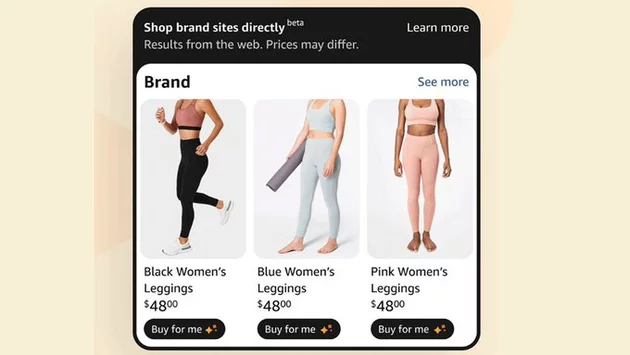
Amazon’s AI-powered Buy for Me feature is turning heads—and ruffling feathers among small businesses. Designed to simplify online shopping, the tool automatically orders items from other retailers on behalf of shoppers. While this may seem convenient for consumers, many businesses are upset, claiming Amazon bypassed their consent entirely. Social media complaints and emails from unfamiliar “buyforme.amazon” addresses reveal growing frustration. Retailers argue the program sometimes lists out-of-stock items or products not intended for direct-to-consumer sales, raising serious ethical and logistical questions.
The Buy for Me function taps public website data to place orders automatically. From the shopper’s perspective, the process feels seamless, as though the purchase occurs entirely on Amazon. However, for the retailers, this is a surprise: products appear for sale without any prior agreement. Some companies discovered orders showing up in their systems before even knowing the program existed. Critics warn this approach could erode trust between Amazon and its broader retail ecosystem, potentially creating legal and reputational risks.
Over the past weeks, small businesses have flooded social media and forums with complaints. Many shared screenshots of unexpected orders, explaining that Amazon’s AI sometimes misrepresented availability or pricing. Retailers also fear customers could face confusion if items fail to ship promptly. For some, these incidents feel like an intrusion into their operations, prompting questions about whether Amazon is overstepping boundaries in its AI experimentation.
Amazon defends Buy for Me as part of a broader experimental effort to enhance convenience for online shoppers. Company spokespeople emphasize the feature is still being refined, acknowledging occasional missteps in execution. Despite this, critics insist that the experiment should not come at the cost of retailer consent or customer experience. Many experts say clearer communication and opt-in systems would ease tensions and prevent further backlash.
The controversy highlights broader challenges in AI-driven commerce. While shoppers may enjoy faster, automated purchases, small retailers face risks ranging from operational disruptions to unintended liability. Industry observers warn that unchecked AI interventions could lead to regulatory scrutiny or even lawsuits if businesses feel coerced or misrepresented. For consumers, the promise of convenience may come with hidden complications that could affect delivery accuracy and product availability.
Amazon’s AI shopping experiments are unlikely to slow down. Analysts predict ongoing refinements, including better retailer communication, error detection, and product verification systems. Yet, for now, Buy for Me remains a lightning rod for debate about the balance between AI innovation and ethical business practices. As Amazon continues to push the envelope, both consumers and retailers will be watching closely to see if convenience can truly coexist with consent.

2.5K articles

1.4K articles

34 articles

28 articles













Comment