
Alerts
-
6 minutes, 43 seconds
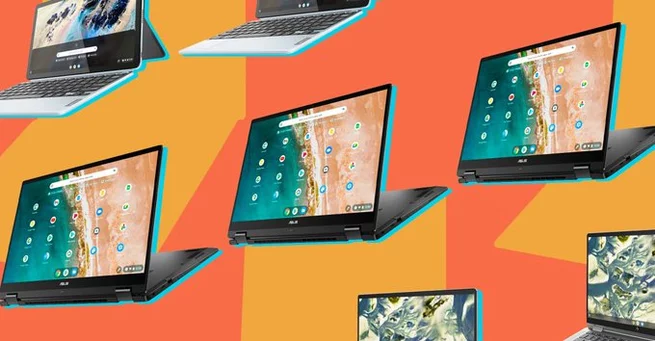
Aluminium OS is Google’s long-rumored plan to merge Android and ChromeOS into a single platform for laptops and tablets. Many users want to know when Aluminium OS will launch, which devices will support it, and whether it can truly replace Windows or macOS. Early leaks suggest ambitious hardware plans, but newly revealed legal documents paint a slower, more complicated timeline. Instead of a smooth debut in 2026, Aluminium OS now appears headed for a staggered rollout that could stretch into 2028, raising fresh questions about readiness, compatibility, and trust.
For years, Android and ChromeOS have struggled to fully satisfy power users on larger screens. Android shines on phones but feels awkward on tablets and laptops, while ChromeOS often comes across as too limited for professional work. Aluminium OS aims to solve this by combining Android’s app ecosystem with ChromeOS-style desktop features. The goal is one operating system that scales naturally from tablets to full laptops. On paper, that sounds like the clean reset Google has needed for a decade.
Interest surged after leaked details hinted at Aluminium OS running on an upcoming Intel-based laptop code-named “Ruby” and a premium tablet known as “Sapphire.” These leaks suggested Google was serious about competing in higher-end hardware categories. For fans who felt stuck choosing between mobile convenience and desktop productivity, Aluminium OS looked like a long-overdue breakthrough. The excitement was amplified by public comments from Google leadership that hinted at progress happening sooner rather than later.
Behind the scenes, however, internal expectations appear far more cautious. Previously unreported court filings from a major antitrust case show Aluminium OS is unlikely to reach full public release until 2028. While Google hopes to begin limited testing with trusted partners in late 2026, those same documents describe this as the “fastest path” rather than a guaranteed plan. That distinction matters. It suggests Aluminium OS is still evolving and not yet ready to replace existing systems at scale.
Public statements and legal filings tell two different stories. On one hand, Google executives have expressed excitement about combining Android and Chrome in the near future. On the other, lawyers representing the company acknowledge that Aluminium OS will take years to fully mature. This mixed messaging risks confusing consumers, developers, and hardware partners. When expectations are set too high too early, delays can quickly feel like broken promises rather than normal product development.
One of the most controversial revelations involves compatibility. According to court documents, Aluminium OS will not run on all current Chromebook hardware. That means many existing users may never get the upgrade. To honor its ten-year support commitment, Google will reportedly maintain ChromeOS alongside Aluminium OS until at least 2033. This dual-system future could fragment the platform, slow developer adoption, and frustrate schools and businesses that rely on predictable upgrade cycles.
Schools and enterprise customers, who make up a large portion of Chromebook deployments, may not see Aluminium OS until 2028. This delay is significant because these sectors value stability over experimentation. A prolonged transition could weaken confidence and push decision-makers to reconsider long-term commitments. If Aluminium OS arrives late and with limited hardware support, organizations may question whether waiting was worth it.
The timing of these disclosures matters. Aluminium OS details emerged during ongoing legal scrutiny of Google’s business practices. That environment can slow decision-making, shift priorities, and increase internal caution. Even if Aluminium OS is technically sound, legal and regulatory pressure could influence how aggressively Google pushes the platform forward. Innovation tends to move slower when every roadmap detail is under a microscope.
Despite the uncertainty, Aluminium OS is not doomed. A delayed launch could give Google time to refine performance, improve multitasking, and ensure Android apps truly shine on larger screens. A careful rollout may also reduce early backlash. If Google communicates clearly, supports developers generously, and avoids abandoning users on older devices, Aluminium OS could still become a credible alternative in the PC space.
Aluminium OS represents one of Google’s boldest platform bets in years. Yet bold ideas need clear timelines and honest communication to succeed. Right now, Aluminium OS feels powerful but precarious—full of promise, slowed by reality, and complicated by legal and technical constraints. Whether it becomes a defining success or another missed opportunity will depend on how well Google manages expectations between now and 2028.









Comment