
Alerts
-
4 minutes, 14 seconds
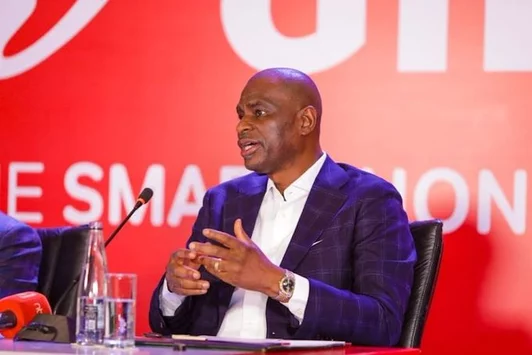
Airtel Africa continues to post impressive numbers, but the story behind its growth is far from simple. Over the nine months ending December 2025, the telecom giant reported revenue growth of 24.6% year-on-year in constant currency, reaching USD 4.67 billion. In reported currency, growth was even higher. While these figures look strong on paper, they conceal the growing impact of exchange rates, making it harder for investors to assess the company’s operational performance.
Markets across Africa are increasingly influenced by currency fluctuations, meaning revenue can expand or contract without any change in day-to-day operations. For stakeholders, understanding Airtel Africa’s results now requires reading between the lines of financial statements.
The third quarter emphasized how currency swings are reshaping Airtel Africa’s financial reporting. Organic revenue growth reached 24.7%, while reported currency growth jumped to 32.9%. The difference is significant, reflecting that exchange rate movements are now as important to the bottom line as subscriber additions or data usage.
Investors and regulators face a more nuanced picture: high reported growth might mask slower operational expansion in some markets. This adds a layer of complexity when predicting future performance or comparing Airtel Africa to competitors.
EBITDA rose 35.9% in reported currency to USD 2.28 billion during the nine-month period, pushing margins to 48.9% from 46.2% a year earlier. Telecom margins in Africa have historically been squeezed by heavy infrastructure investments, aggressive pricing strategies, and sudden regulatory fees.
Airtel Africa’s rising margins indicate a shift toward operational efficiency. Key strategies include infrastructure sharing, disciplined pricing, and a greater focus on higher-margin services such as mobile money and data. These moves show the company is leveraging its scale to drive profitability, even amid challenging market conditions.
Airtel Africa’s growing reliance on mobile money and data is reshaping its business model. Data usage continues to rise across the continent, fueled by smartphone adoption and expanding network coverage. Meanwhile, mobile money services provide a steady revenue stream less exposed to price competition and regulatory pressures.
This diversification helps offset the uncertainty introduced by volatile exchange rates. While traditional voice services face declining margins, mobile money and data services are proving critical to sustaining growth and maintaining profitability.
While Airtel Africa’s numbers impress, investors should approach with caution. Exchange rate volatility, regulatory risks, and competitive pressures mean reported growth may not always reflect underlying operational strength.
The company’s ability to expand margins and leverage mobile services offers confidence, but the interplay of currency and market dynamics keeps financial forecasting complex. For investors, the lesson is clear: Airtel Africa is growing, but understanding its performance requires more than just looking at headline revenue figures.
Airtel Africa’s story illustrates a telecom navigating growth and uncertainty simultaneously. Strong revenue and expanding margins highlight operational success, but currency effects remind stakeholders that even solid numbers can carry hidden complexity.










Comment