
Alerts
-
3 minutes, 11 seconds
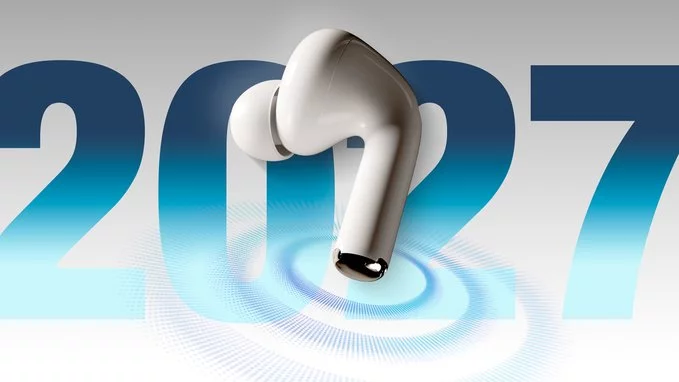
Apple is reportedly working on a new version of AirPods that would include built-in cameras, according to a recent report. This ambitious project aims to significantly improve two core experiences: spatial audio and head tracking. By integrating tiny camera modules into the earbuds, Apple could gather real-time visual data about the user’s environment and head position. This would allow the audio system to adjust sound fields with far greater precision than current accelerometer-based tracking. The cameras would essentially map the room and the user’s orientation, enabling a more immersive and dynamic listening experience. While the idea may sound futuristic, the report suggests Apple is actively exploring this hardware change to push the boundaries of how we interact with audio. The move signals a clear intent to make spatial audio feel less like a simulation and more like a natural extension of your surroundings.
Adding cameras to AirPods would fundamentally improve how your headphones understand your physical space. Current spatial audio relies on inertial sensors in the earbuds to track your head’s rotation, but this approach is limited. A camera changes the game by visually analyzing the environment around you.
With this visual data, the AirPods could perform far more accurate head tracking. Instead of estimating your position based on movement alone, the system would reference fixed points in the room—like a sofa or a wall—to lock the audio soundstage in place. If you turn your head, the camera helps the processor instantly calculate your new orientation relative to those objects. This reduces drift and lag, making the audio feel anchored to the real world rather than floating inside your skull.
The result is a more immersive and stable 360-degree soundscape. As you move, sounds from a movie or a game would remain consistently positioned in the room, creating a convincing illusion that the audio exists around you, not just in your ears.
The integration of cameras into AirPods could unlock a suite of new capabilities beyond audio. One of the most anticipated applications is gesture controls, allowing users to answer calls, adjust volume, or skip tracks with simple hand movements detected by the onboard sensors. This would eliminate the need to tap the stem or reach for a connected device.
Furthermore, the cameras could significantly enhance noise cancellation. By visually analyzing the environment, the system could better distinguish between the user’s voice and ambient sounds, leading to more precise audio filtering during calls. The technology may also work with AR/VR ecosystems, where the cameras could track head movements or provide spatial awareness for immersive experiences, potentially syncing with other Apple devices for a seamless mixed-reality interface.
According to the report, the cameras are still in active development, which means they are unlikely to appear in the near future. There is currently no confirmed release date for this technology. While the concept has generated significant interest, consumers should temper their expectations for an imminent launch.
The development phase suggests that Apple is still refining the hardware and software integration required for such a feature. This process typically involves extensive testing to ensure reliability and performance before a public rollout. As a result, the timeline remains uncertain, and any speculation about a specific launch window is premature.
For now, the focus appears to be on perfecting the underlying technology rather than rushing it to market. Enthusiasts hoping for a quick release may need to wait longer than anticipated, as the report emphasizes that the cameras are not ready for production. Until an official announcement is made, the release date will remain speculative, and the feature should be viewed as a future possibility rather than an imminent upgrade.









Comment