Alerts

-
8 minutes, 21 seconds
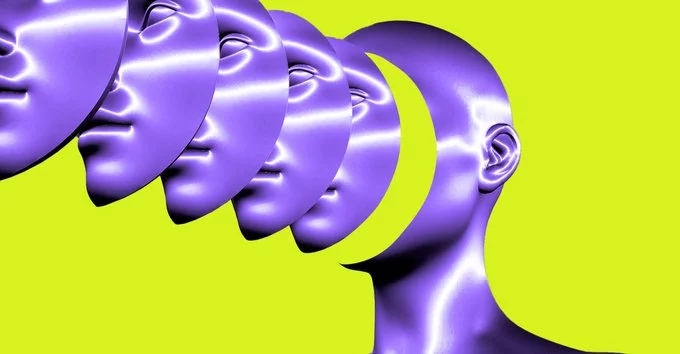
AI tools can unmask anonymous accounts by analyzing writing style, posting behavior, and subtle personal clues hidden in online text. New research suggests advanced AI systems can link supposedly anonymous posts to real identities by scanning massive datasets and comparing patterns across platforms. While the technology isn’t perfect yet, experts say it signals a major shift in online privacy. Anyone relying on burner accounts or anonymous profiles may soon find it much harder to stay hidden.
Artificial intelligence is becoming increasingly capable of identifying people based on how they write online. Modern AI systems can examine subtle elements of language, including word choice, sentence structure, punctuation habits, and tone. These details create a kind of digital fingerprint that can reveal whether two pieces of text were written by the same person.
Researchers have developed automated AI agents designed to mimic the work of human investigators. These systems can scan enormous volumes of online posts, comments, and profiles to detect patterns that connect anonymous accounts to known identities. What once required weeks of manual investigation can now happen within minutes.
Instead of relying on obvious clues like usernames or profile pictures, AI looks for deeper signals. Even casual posts or short comments can reveal consistent traits about a person’s writing style. Over time, these signals become powerful indicators that can link anonymous activity back to a real individual.
The process used by these AI systems works much like solving a complex puzzle. Every post, comment, or message becomes a potential clue that contributes to identifying the writer. The AI begins by analyzing the anonymous text and extracting patterns such as vocabulary preferences, common phrases, and grammatical habits.
After building this profile, the system searches across large collections of public content. These may include forum posts, professional profiles, interview transcripts, or other publicly available writing samples. The AI compares millions of pieces of content to find similar patterns that match the anonymous text.
Once potential matches appear, the system narrows the results further by examining contextual clues. Posting times, topics discussed, and occasional personal references can help confirm whether two accounts belong to the same person. By combining these factors, AI can produce a shortlist of likely identities behind an anonymous profile.
For many people, anonymous accounts provide a sense of freedom online. Users often rely on alternate profiles to discuss sensitive topics, share honest opinions, or separate professional and personal lives. However, AI-powered analysis may make maintaining this separation increasingly difficult.
Even when users avoid sharing direct personal information, their writing habits can still reveal them. Small patterns—like how someone structures sentences or which slang they prefer—can persist across different accounts and platforms. Over time, AI models learn to recognize these unique traits.
This means that anonymous forums, burner accounts, or secondary profiles may no longer provide the level of privacy people expect. As AI systems improve, the probability of connecting anonymous activity to real identities will likely increase.
To understand how well AI could identify anonymous users, researchers tested the technology on datasets built from publicly available content. These datasets included forum discussions, professional writing samples, and social media posts.
In one experiment, accounts were deliberately split into two anonymous sets of posts. The AI system then attempted to match the two halves together based solely on writing patterns and contextual clues. Results showed that AI could often reconnect the posts with surprising accuracy.
The study suggests that AI-based analysis may outperform traditional computer methods used to track online identities. Conventional tools typically rely on obvious signals such as IP addresses or usernames. AI, however, can analyze much more subtle indicators hidden within the text itself.
The ability for AI tools to unmask anonymous accounts raises serious questions about digital privacy. Many people rely on anonymity to protect themselves while discussing sensitive issues like workplace experiences, health concerns, or political views.
If AI systems can reliably link anonymous posts to real individuals, the consequences could extend far beyond social media. Whistleblowers, journalists, and activists could face new risks if anonymity becomes easier to break.
Privacy advocates warn that even well-intentioned research could pave the way for surveillance tools capable of identifying users across the internet. Without strong safeguards, organizations or malicious actors might use these technologies to track individuals without their consent.
Despite the growing capabilities of AI, experts say the era of online anonymity isn’t necessarily over. Instead, it may evolve into something more complex and harder to maintain.
People who want to remain anonymous may need to become more cautious about how they write and where they post. Using different writing styles, avoiding personal details, and limiting cross-platform activity could help reduce the risk of being identified.
At the same time, technology companies and policymakers may need to rethink privacy protections for the AI age. Tools capable of linking identities across platforms could fundamentally reshape how anonymity works online.
AI tools that can unmask anonymous accounts represent a powerful technological shift. What once seemed like harmless online anonymity may soon face unprecedented scrutiny from intelligent algorithms capable of connecting scattered digital clues.
For everyday users, the lesson is simple: anonymity on the internet may not be as secure as it once seemed. Every comment, post, or message leaves a traceable pattern that AI systems are increasingly capable of decoding.
As artificial intelligence continues advancing, protecting digital identity will likely become one of the biggest privacy challenges of the decade. The internet was built on the promise of open expression—but AI may be rewriting the rules of how anonymous that expression can truly be.









Comment