
Alerts
-
4 minutes, 35 seconds
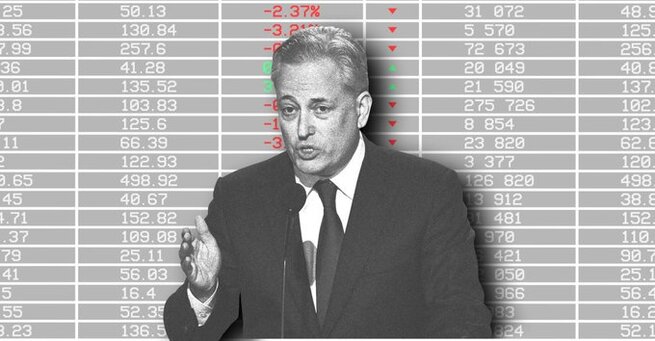
President Donald Trump’s new executive order on artificial intelligence has stirred an unusual wave of opposition from hard-right MAGA figures. The order, which gives the federal government the authority to punish states that attempt to pass their own AI regulations, has drawn scrutiny for the power it grants David Sacks, the White House’s AI and crypto adviser. While Trump has previously expressed interest in a moratorium on state AI laws, the scale and scope of this executive order have alarmed political commentators across the spectrum.
David Sacks, billionaire venture capitalist and controversial tech executive, has become the focal point of criticism. Sacks’ influence over AI policy, granted by the executive order, has worried many conservatives who traditionally support Trump. Critics argue that the move could centralize too much power in the hands of one unelected adviser, raising questions about fairness, accountability, and transparency in U.S. AI governance.
In a rare show of dissent, hard-right media personalities have mobilized against Trump’s plan. Steve Bannon’s War Room devoted a significant segment warning that the executive order could backfire politically. Podcasters and conservative commentators expressed fears that Trump’s support for a sweeping AI moratorium could alienate his core base, which has long emphasized protecting American jobs and resisting corporate overreach.
Behind the scenes, lawyers, AI policy experts, and political operatives are lobbying the White House to reconsider the order. Many warn that a rapid, nationwide AI moratorium would be politically hazardous. Their advice highlights the delicate balancing act Trump faces: satisfying his own policy goals while avoiding backlash from influential MAGA supporters.
Recent polls show that the majority of Americans oppose a nationwide moratorium on state AI laws. This public sentiment adds pressure on the White House to carefully calibrate the executive order. Even as Trump’s administration moves forward, the political risk is high, with media scrutiny and activist opposition shaping the debate.
The executive order could have long-lasting consequences for AI policy in the United States. Centralizing decision-making in the federal government, particularly under a single adviser, may set a precedent for future technology regulation. Critics argue that this approach risks undermining state autonomy and could stifle innovation, while supporters claim it ensures a cohesive national AI strategy.
The reaction from Republican lawmakers and MAGA supporters remains mixed. Some align with Trump’s vision for a unified federal AI policy, while others fear it betrays the party’s pro-business and anti-regulation principles. This division highlights the growing tension within the GOP over technology, governance, and the role of federal authority.
As the executive order awaits Trump’s signature, the debate over AI governance is likely to intensify. Political operatives, media voices, and policy experts are all vying to influence the outcome, demonstrating how AI has become a contentious political battleground. With stakes high for both technology companies and voters, the coming weeks will reveal whether Trump can balance his policy ambitions with the concerns of his base.









Comment