Alerts

-
3 minutes, 25 seconds
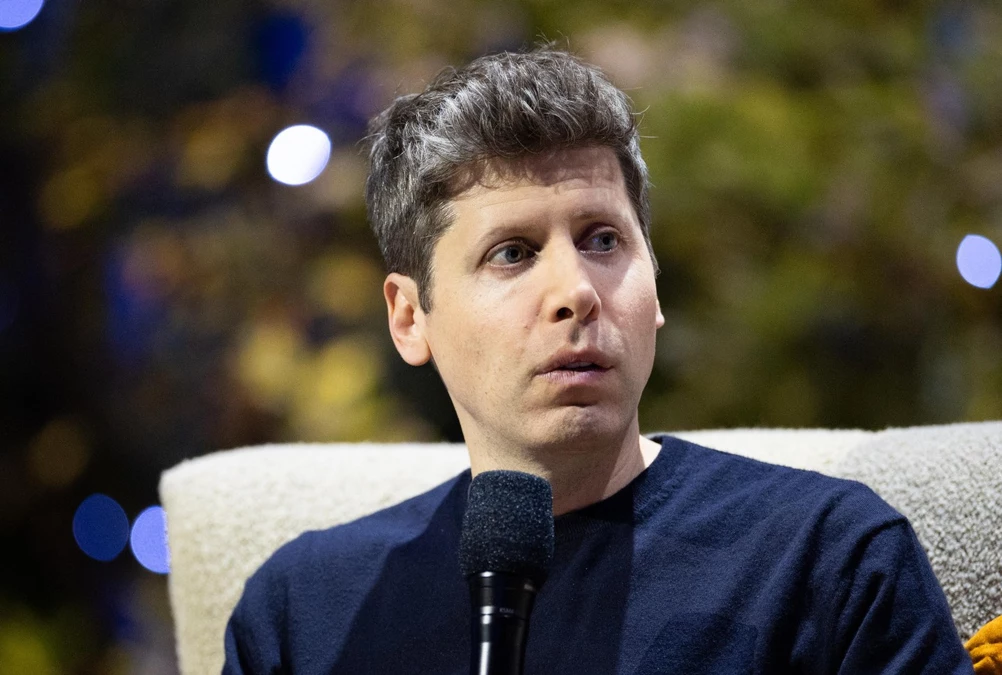
Sam Altman wants you to know that he is not naive about artificial intelligence. Speaking publicly about the technology his company has helped push into the mainstream, he has said plainly that "some bad things" will happen as AI develops. It is a striking admission from the chief executive of OpenAI, but it is not, in his view, a reason to slow down.
His core message is one of calculated optimism. Yes, there will be disruption, misuse, and unintended consequences. Altman does not pretend otherwise. But he consistently frames those costs as the price of a technology whose benefits he believes will be transformative. In his telling, the question is not whether AI carries risk — it clearly does — but whether the upside justifies working through that risk rather than retreating from it.
That framing shapes everything else he says about AI, from his enthusiasm for its potential to his calls for careful deployment. For Altman, acknowledging the dangers and championing the technology are not contradictory positions. They are two halves of the same argument.
Altman's core justification for pursuing AI is not that the technology will be flawless, but that its net effect on human output will be overwhelmingly positive. His argument rests on a simple premise: people will do tremendously orders of magnitude more good stuff.
That phrase captures the essence of his optimism. When individuals are given more capable tools, they do not simply produce the same amount of work at a faster pace. They expand what is possible. More ideas get tested, more problems get solved, and more value gets created across every domain where human effort is applied.
Altman frames this as a question of scale and direction. The good that people create, when amplified by AI, will dwarf the harms that arise along the way. He does not dismiss those harms, but he treats them as challenges to manage rather than reasons to stop.
For Altman, the calculus is clear. The potential for orders of magnitude more good stuff is worth the effort, the risk, and the uncertainty that come with building powerful AI systems.
Altman does not present AI as a purely positive development. He openly concedes that "some bad things" will happen as the technology spreads. This is not a throwaway remark; it is a recognition that the benefits he champions will not arrive without costs.
His framing is deliberately pragmatic rather than dismissive. He does not claim the dangers can be eliminated, only that they must be weighed against what is gained. The implication is that pretending otherwise would be dishonest, and that the honest position is to accept imperfection as part of the bargain.
For readers, this admission matters for two reasons:
Altman's willingness to say this out loud distinguishes his message from pure hype. He is not promising a flawless transition, and he is not asking anyone to believe in one.
Altman's final position is unambiguous: AI is worth it. He does not pretend the downsides are imaginary, nor does he suggest they will simply disappear on their own. Instead, he weighs them against what he sees on the other side of the ledger — and concludes that the benefits win.
That judgment rests on his belief that AI can help solve problems that have resisted every previous tool, from disease to stubborn limits on human learning and creation. The bad things are real, but in his view they are the kind of bad things that can be managed, mitigated, and worked through.
What makes his stance notable is that it is not blind optimism. Altman acknowledges the risks openly, then still lands on the same conclusion. For him, the question is not whether AI will cause harm — it will — but whether the world is better off with it than without it. His answer is yes.













Comment