Alerts

-
3 minutes, 35 seconds
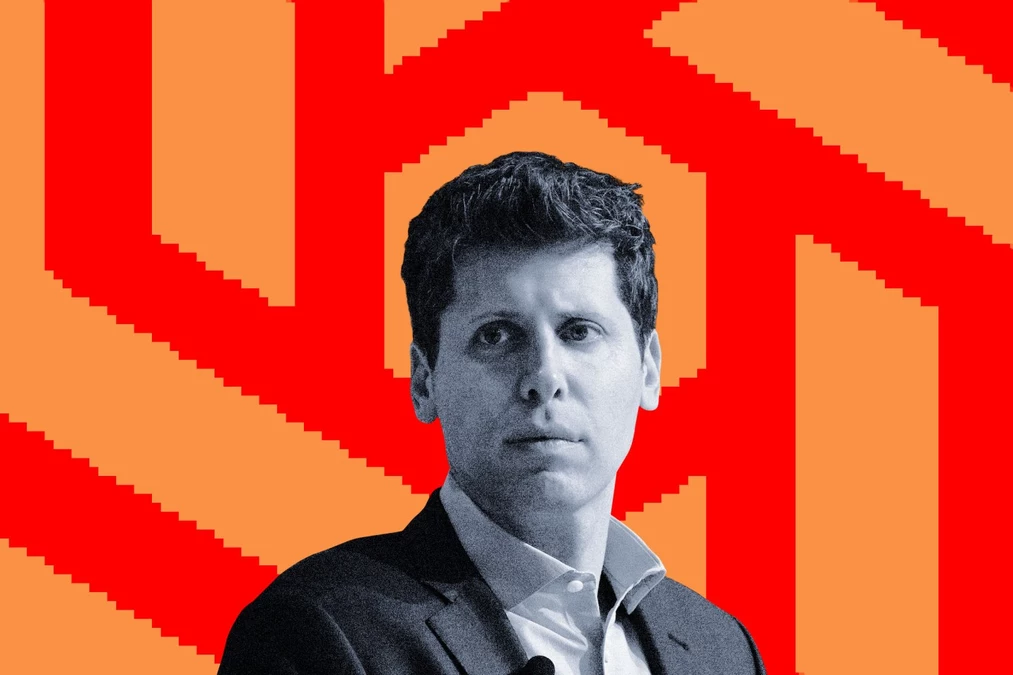
During the interview, as the journalist pressed Sam Altman about a ChatGPT user's suicide, OpenAI's public relations representative intervened — not by addressing the question, but by telling the journalist to "move on." The instruction came while the question was still being asked, effectively cutting off the line of inquiry before Altman could respond to it directly.
The moment is notable for how plainly it exposes the machinery behind a high-profile interview. A PR handler's job is to protect the executive and control the narrative, and here that instinct kicked in immediately: rather than letting the question land, the response was to shut it down and redirect. The phrase itself — "move on" — carries an implicit judgment that the topic is not worth the airtime, or at least not worth this executive's airtime.
What makes the exchange linger is the asymmetry it reveals. A journalist raised a death; the institutional response was procedural deflection. The instruction wasn't "no comment" or "we can't discuss that" — it was a demand to abandon the subject entirely. For observers, that reaction may say as much as any prepared statement would have.
Where PR offered a brush-off, Sam Altman offered something closer to candour. The OpenAI CEO did not pretend the question was easy or already settled. Instead, he acknowledged its weight directly: "These are some of the hardest questions that we face or that anybody developing this technology faces."
It is a notable framing for several reasons. Altman places the difficulty not just on OpenAI but on anybody developing this technology — a recognition that the problem is structural, not company-specific. He does not claim to have solved it, nor does he dismiss the concern as misplaced.
At the same time, the answer stops short of specifics. Altman names the difficulty without detailing how OpenAI weighs it in practice, what trade-offs it has chosen, or what would change its approach. The admission is genuine, but it remains an admission rather than an accounting.
Still, the contrast with the earlier response is stark. One voice moved to close the subject; the other conceded that it may be among the hardest questions the field confronts.
The exchange did not begin with policy or product roadmaps. It began with a journalist's question about a ChatGPT user who had died by suicide. That single query put a human cost at the centre of the conversation, forcing the discussion away from abstractions and toward a specific, irreversible loss.
It is the kind of question that resists a tidy answer. Behind it sits a grieving family, a set of circumstances that may never be fully understood, and an uncomfortable implication for anyone building or defending conversational AI. The journalist was not asking about benchmarks or market share. The question was, in effect: what does your company owe when something like this happens?
That framing matters because it changes the terms of the response. A question about a user's suicide cannot be met with a generic statement about safety investments or ongoing research. It demands acknowledgement, and it invites scrutiny of how the company speaks about the people affected.
Everything that followed — the public relations team's reaction and Sam Altman's own answer — unfolded against the weight of that question.
The exchange matters because it exposes the gap between OpenAI's public relations posture and the hard questions its critics keep raising about harms from ChatGPT. Where the company's response urged audiences to move on, Altman's own framing acknowledged that questions about such harms are the hardest faced by anyone developing this technology. That contradiction is the story: a company cannot simultaneously dismiss scrutiny as stale and concede that the underlying issues are the most difficult in the field.
For readers, the episode is a reminder to weigh corporate messaging against the substance of the questions being asked. The PR instinct to declare the matter closed does not resolve the harms under discussion; it only postpones them. Altman's description of the difficulty suggests the questions are not going away, and that acknowledging them honestly is more credible than a hurried call to move on.













Comment