Alerts

-
6 minutes, 5 seconds
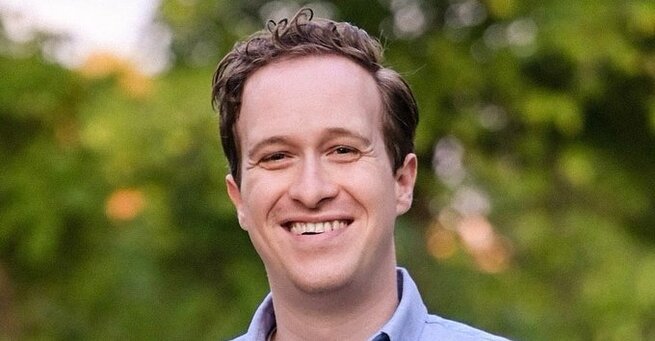
AI creators are becoming one of the fastest-growing trends on TikTok and Instagram, and many users are now searching for how this shift impacts the influencer economy. In the middle of that transformation is Jeremy Carrasco, a rising voice in AI literacy whose rapid growth reflects changing audience expectations. Within just months, Carrasco has built large communities by explaining how to spot AI content and understand its risks. As more creators adopt AI tools — and as platforms drown in generated media — audiences are increasingly looking for trustworthy guides. This surge in interest raises a bigger question: Could AI-first creators reshape or even destabilize today’s influencer market?
Jeremy Carrasco didn’t start his journey on camera. After years producing and directing multicamera livestreams, he realized that most of the public conversation surrounding AI was driven by tech companies rather than creators. That gap motivated him to launch content designed to help everyday users understand what AI tools actually do. While he maintains a YouTube channel, TikTok and Instagram quickly became his real breakout spaces. His posts blend clear explanations with hands-on demonstrations, making complex AI topics feel accessible. This approach helped him amass over 300,000 followers on each platform in just months, signaling strong demand for creator-led AI education.
Carrasco originally founded his page “showtoolsai” to highlight ethical and creative ways to use AI in video production. At first, he was optimistic that generative AI could support creators rather than overwhelm them. But as he dug deeper into audience questions and platform trends, he realized very few people understood how to identify AI-generated content. The rapid spread of hyper-realistic clips, synthetic influencers, and digitally altered videos made the problem worse. His mission shifted from showing how to use AI to explaining how to recognize it. This pivot resonated strongly with followers who were navigating an internet suddenly full of artificially generated visuals.
One of Carrasco’s most popular angles is teaching audiences how to spot subtle “tells” in AI content. He breaks down common signs like soft or fuzzy textures, unnatural eye movements, or background elements that appear and disappear. These details often go unnoticed but reveal how generative models still struggle to maintain consistency. By highlighting these flaws, Carrasco empowers viewers to question what they’re seeing rather than accepting every video at face value. This type of content has fueled strong engagement, especially as the influencer world becomes more saturated with AI-assisted posts.
AI creators like Carrasco are gaining momentum because they fill a trust gap. Traditional influencers often focus on aesthetics, trends, and brand deals, but AI creators speak directly to user confusion and curiosity. As platforms grow more chaotic with synthetic content, audiences turn toward educators, analysts, and debunkers. This shift suggests that influencer clout is no longer just about personality — it’s also about authority and clarity. In a digital environment shaped by uncertainty, creators who help users understand AI may become more valuable than the influencers who use it for aesthetics alone.
Not everyone welcomes the rise of AI creators. Traditional influencers worry that AI-driven content could dilute authenticity or reduce demand for human-led narratives. Meanwhile, brands are experimenting with virtual influencers who can post nonstop without ever resting, traveling, or aging. This creates tension within the creator economy, as human influencers feel pressured to compete with synthetic personalities and algorithm-powered output. Carrasco’s content highlights exactly why that pressure matters: If audiences cannot distinguish AI from reality, trust across the entire influencer landscape could erode.
The rapid growth of AI creators signals that the influencer economy is entering a major transition. Educators like Carrasco are becoming essential voices, helping users understand the new rules of a platform ecosystem increasingly shaped by generative models. If AI-generated creators continue gaining ground — or if audiences lose confidence in what they’re seeing — the traditional influencer economy could face a significant shake-up. Whether that shift becomes a crash, a correction, or a new evolution depends on how creators, brands, and platforms adapt to this accelerating AI wave.










Comment