Alerts

-
7 minutes, 47 seconds
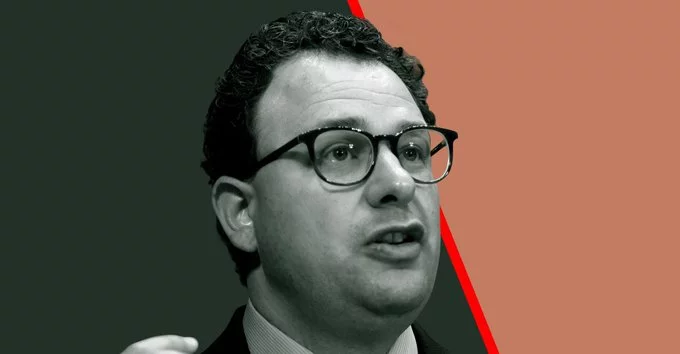
The Anthropic Pentagon deal is facing a dramatic turning point as the AI startup attempts to repair its relationship with the U.S. Department of Defense. Reports indicate that Anthropic CEO Dario Amodei has reopened negotiations with defense officials after earlier talks collapsed over disagreements about military access to the company’s AI systems. The dispute has raised concerns about national security, AI ethics, and the future of government partnerships with leading artificial intelligence companies.
Anthropic is reportedly making urgent efforts to revive its defense partnership after negotiations with the Pentagon broke down last week. The dispute emerged after the company resisted giving the military unrestricted access to its AI models, including its flagship Claude system.
According to sources familiar with the talks, Anthropic leadership has returned to the negotiating table in hopes of crafting a new agreement that would allow the U.S. military to continue using its AI technology. The renewed discussions reflect the high stakes involved for both sides. Government agencies want access to advanced AI capabilities, while Anthropic wants to maintain strict limits on how its technology is deployed.
Failure to reach a compromise could have serious consequences for the startup’s long-term business prospects and its role in the defense technology ecosystem.
Tensions between Anthropic and defense officials escalated after the company declined to provide broad military access to its AI systems. Anthropic has publicly emphasized its commitment to responsible AI development, including restrictions on how its technology can be used in warfare or surveillance.
Defense leaders reportedly viewed those restrictions as an obstacle to national security needs. The disagreement triggered heated exchanges between key figures involved in the negotiations.
The conflict intensified further when accusations surfaced on social media criticizing Anthropic’s leadership and questioning whether the company was undermining national security priorities. These public exchanges highlighted the growing divide between Silicon Valley’s cautious approach to AI deployment and the military’s desire for powerful new tools.
One of the most serious threats facing Anthropic is the possibility of being designated a “supply chain risk.” Such a classification could effectively block the company from participating in government contracts connected to defense and national security.
If that designation becomes official, organizations working with the Pentagon may be forced to remove Anthropic’s AI tools from their systems. The ripple effect could extend across the broader technology industry, potentially isolating the company from lucrative government partnerships.
For a rapidly growing AI startup, losing access to the defense market would represent a major setback. Government contracts often provide stable funding and credibility for emerging technology companies, making them highly valuable partnerships.
While Anthropic attempts to repair its relationship with the Pentagon, rival AI companies are moving quickly to secure defense opportunities.
The growing demand for advanced AI systems within national security programs has created a competitive environment among leading developers. Companies offering powerful language models, data analysis tools, and automation technologies are eager to expand their influence in defense projects.
If Anthropic fails to reach a new agreement, competitors could gain a significant advantage by stepping into the space left behind. That possibility has increased pressure on the company to resolve the dispute quickly.
The controversy surrounding the Anthropic Pentagon deal reflects a broader debate about the role of artificial intelligence in warfare and national security.
AI systems can dramatically improve data analysis, threat detection, and strategic planning. Military leaders believe these tools can help modernize defense operations and maintain technological advantages over global rivals.
However, many AI developers remain cautious about how their technologies might be used in conflict situations. Concerns range from autonomous weapons systems to surveillance tools that could potentially violate ethical guidelines.
Anthropic has positioned itself as a company committed to responsible AI development, which includes placing boundaries on certain high-risk applications. That stance has earned praise from some technology ethics advocates but has also complicated its relationship with government agencies seeking full access to advanced AI capabilities.
The renewed talks between Anthropic and defense officials will likely determine the company’s future role in national security technology projects. Both sides have strong incentives to reach a compromise.
The Pentagon wants continued access to cutting-edge AI systems that could enhance defense operations. At the same time, Anthropic hopes to protect its ethical standards while avoiding the reputational and financial damage that could come from losing government partnerships.
Observers across the technology sector are watching closely. The outcome could shape how AI companies collaborate with governments moving forward, particularly when it comes to balancing innovation, ethics, and national security.
The Anthropic Pentagon dispute represents more than a single contract negotiation. It highlights a growing tension between the fast-moving AI industry and the evolving demands of national security.
Artificial intelligence is becoming one of the most strategically important technologies of the decade. Governments want access to powerful AI systems, but developers increasingly want safeguards around how those systems are used.
How this standoff is resolved may influence future agreements between tech companies and defense agencies worldwide. For Anthropic, the stakes are especially high. A successful deal could preserve its position in the defense technology market, while failure could reshape its future in the rapidly evolving AI landscape.










Comment