
Alerts
-
5 minutes, 59 seconds
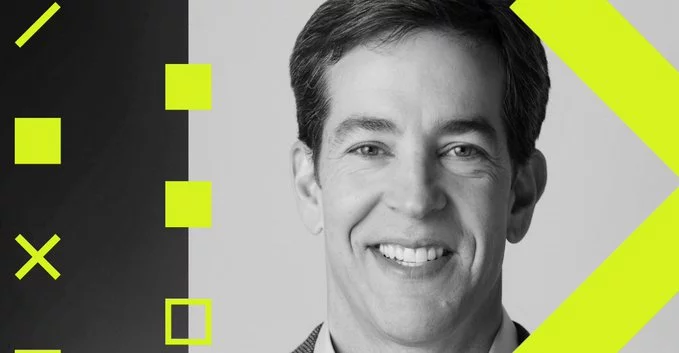
AI agent identity is quickly becoming one of the most critical topics in cybersecurity, and Okta is placing a major bet on it. CEO Todd McKinnon believes organizations that ignore this shift risk falling behind in a future where AI systems act independently. As businesses increasingly deploy autonomous tools, managing “who” or “what” has access is no longer just about humans. This emerging trend is pushing identity platforms to evolve faster than ever before.
The concept may sound futuristic, but it’s already unfolding across industries. AI agents are now capable of performing tasks, making decisions, and interacting with systems without direct human input. That raises a fundamental question: how do you securely manage identities that aren’t human? Okta’s answer is clear—build infrastructure designed specifically for AI-driven environments.
AI agent identity refers to the systems used to authenticate and authorize artificial intelligence agents. Unlike traditional users, these agents can operate continuously, scale instantly, and interact with multiple services simultaneously. This creates a new layer of complexity in identity and access management.
Organizations must ensure these agents only access what they’re allowed to, just like human employees. However, the challenge grows when thousands—or even millions—of AI agents are involved. Without proper controls, the risks of data breaches, misuse, or system failures increase significantly. That’s why companies like Okta are investing heavily in building secure frameworks for AI identity management.
This shift also signals a broader transformation in how digital systems operate. Identity is no longer just a login credential—it’s becoming the foundation of trust in automated ecosystems. As AI agents grow more capable, managing their identities will be just as important as managing human users today.
Todd McKinnon has been vocal about what he calls the “SaaSpocalypse,” a potential disruption in the software-as-a-service industry driven by AI. According to him, it’s “naive” for companies to assume current models will remain stable. AI agents could fundamentally change how software is built, used, and monetized.
Instead of humans interacting directly with apps, AI systems may handle most tasks behind the scenes. This reduces the need for traditional user interfaces and could reshape entire business models. For identity companies, this means adapting to a world where the primary “users” are machines rather than people.
McKinnon’s perspective highlights both urgency and opportunity. Companies that prepare early can position themselves as leaders in the next phase of digital transformation. Those that delay may struggle to keep up as the landscape evolves rapidly.
Okta is already working on solutions tailored for AI-driven environments. The company aims to extend its identity platform to support autonomous agents with secure authentication, authorization, and monitoring capabilities. This includes tracking agent behavior, enforcing policies, and ensuring compliance at scale.
One key focus is visibility. Businesses need to understand what AI agents are doing, what data they access, and how they interact with systems. Okta’s approach centers on giving organizations control without slowing down innovation. By building tools that integrate seamlessly into existing workflows, the company hopes to make AI adoption safer and more manageable.
This strategy also aligns with broader trends in cybersecurity. As threats become more sophisticated, identity-based security is emerging as a critical defense layer. Managing AI identities effectively could become a competitive advantage for enterprises worldwide.
AI agent identity is not just a niche concept—it’s shaping the future of digital infrastructure. As autonomous systems become more common, the need for robust identity management will only grow. Companies that invest now are likely to gain a significant edge in security and efficiency.
Okta is betting that identity will remain at the core of this transformation. By focusing on AI agents, the company is positioning itself at the forefront of a major industry shift. Whether or not the “SaaSpocalypse” unfolds as predicted, one thing is clear: the rules of identity are changing fast.










Comment