
Alerts
-
3 minutes, 20 seconds
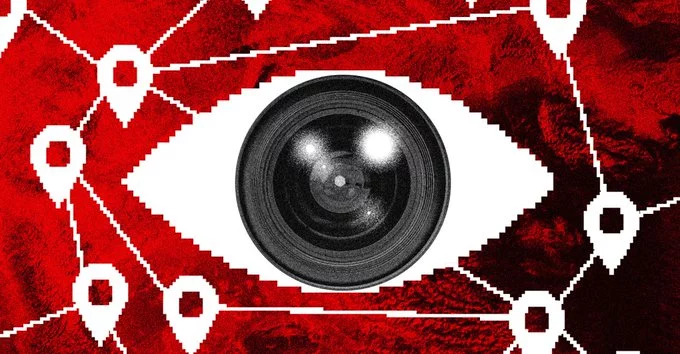
Flock is rolling out policy changes in response to reports that some cops misused tracking data it collects. The company, which operates a vast network of license-plate cameras, announced the updates on Tuesday.
According to the announcement, the new policies are designed to address the specific misuse identified in the reports. While the company did not detail every alteration, it confirmed that the changes will affect how law enforcement agencies can access and use the data collected by its systems.
Flock stated that these adjustments are part of an ongoing effort to balance the operational benefits of its technology with privacy and accountability concerns. The company emphasized that the revised policies will be implemented across its platform to ensure consistency for all partner agencies.
Reports indicated that police officers misused the tracking data collected by Flock’s cameras, though the specific nature of the misuse varied. According to internal documents and whistleblower accounts, some officers accessed vehicle location histories for personal reasons, such as tracking romantic partners or acquaintances, rather than for legitimate law enforcement purposes. In other instances, the data was used to monitor individuals involved in civil disputes or to gather information on journalists and public officials, raising concerns about surveillance overreach.
The misuse was not limited to a single department. At least two police agencies in different states were found to have officers who routinely searched license plate data without a valid case or investigative need. One officer reportedly used the system to check the movements of a domestic violence victim, while another accessed records for a neighbor involved in a property line disagreement. These actions violated departmental policies and the terms of Flock’s service agreements, which restrict data use to criminal investigations and public safety emergencies.
In response to the documented misuse, the company has implemented a three-pronged set of policy changes designed to tighten oversight and prevent future incidents. The new rules take effect immediately for all employees and contractors.
Furthermore, the company is introducing a stricter approval workflow for third-party data sharing, requiring sign-off from both the legal and security departments. The new measures are part of a broader effort to comply with updated regulatory standards, as outlined in the official policy update. Failure to adhere to these new protocols will result in disciplinary action, up to and including termination of employment.
Flock Safety is a technology company that manufactures and operates a network of automated license plate recognition (ALPR) cameras, along with other sensors such as gunshot detection and video cameras. These devices are mounted on public roads and in neighborhoods, capturing time-stamped images of every passing vehicle’s license plate. The data is fed into Flock’s cloud-based platform, which law enforcement agencies subscribe to for real-time alerts and investigative search capabilities. The system is designed to help police locate stolen cars, identify suspects, and solve crimes more efficiently.
However, the company’s technology has raised significant privacy and civil liberties concerns. Critics argue that the continuous, mass surveillance of public movement creates a permanent digital record of individuals’ locations, which can be misused. Flock has stated its intention to serve as a “digital witness” for public safety, but the scale of its deployment—now active in thousands of communities across the United States—has intensified scrutiny over how the data is accessed and governed. These concerns form the backdrop for the policy changes and new measures discussed in this article.









Comment