Africa’s Venture Capital Era Enters Its Reckoning
Africa’s venture capital era has reached a decisive moment. Is funding slowing down? Are exits finally coming? And what does this mean for founders and investors across the continent? After years of rapid growth and optimism, African VC is stabilising at around $2.5 billion annually. That stability is forcing tougher conversations about governance, exits, returns, and long-term sustainability.
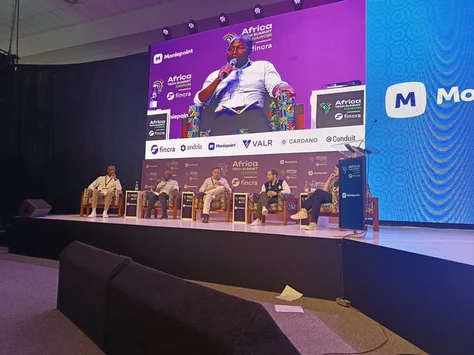
By late afternoon at the Moniepoint Stage during a high-level investing session, the mood felt reflective rather than celebratory. That shift alone spoke volumes. For years, African venture capital conversations centred on momentum, expansion, and record-breaking funding rounds. Now, the language sounds more measured — and more mature.
Funding Stability Signals a New Phase for African Venture Capital
Since 2023, venture funding into African tech has held steady at roughly $2.5 billion per year. The numbers are neither collapsing nor surging. Instead, they are plateauing.
Plateaus change behaviour. When capital was flowing quickly, growth stories dominated headlines. Today, investors are asking sharper questions: What value is being created? Where are the returns? Which companies are truly sustainable?
Stability often forces ecosystems to grow up. Easy capital can hide inefficiencies, but steady capital exposes them. Investors are no longer chasing hype. They are assessing fundamentals — revenue discipline, governance structures, and viable exit pathways.
This shift doesn’t signal decline. It signals transition.
Governance and Discipline Take Center Stage
Conversations during the “Investing in Africa 2030” session reflected a deeper recalibration. Instead of focusing on aggressive expansion, speakers leaned into governance, fund structures, and operational discipline.
These themes typically emerge after an ecosystem has lived through its first wave of optimism. African venture capital has now experienced that cycle — early experimentation, international excitement, rapid scaling, and then global capital tightening.
Governance is no longer optional. Investors want clearer reporting standards, stronger boards, and defined accountability structures. Fund managers are under pressure to demonstrate professional management and long-term credibility.
For founders, this means expectations have changed. Growth at all costs is no longer attractive. Sustainable unit economics and realistic expansion plans now matter more than headline-grabbing valuations.
A Second Generation of Founders Is Emerging
One of the most compelling shifts in Africa’s venture capital era is the rise of second-generation founders. Unlike the early wave of entrepreneurs who were experimenting in relatively uncharted territory, today’s founders are building with hindsight.
They have watched peers scale rapidly — and sometimes stumble. They have seen companies struggle with regulatory fragmentation, cross-border complexity, and governance gaps. That exposure is shaping a more strategic mindset.
Today’s founders are often more disciplined about compliance, corporate structure, and financial controls from the outset. Many are building companies designed for acquisition or long-term sustainability rather than rapid flips.
That learning curve represents quiet progress. It suggests the ecosystem is internalising its early lessons rather than repeating them.
Exits Will Define What Lasts
Exits are becoming the central question in Africa’s venture capital cycle. Capital entering the market is important, but capital returning to investors is what validates the model.
Without meaningful exits — whether through acquisitions, mergers, or public listings — the ecosystem risks stagnation. International limited partners need proof that African venture investments can generate competitive returns.
Encouragingly, early signs of exit activity are beginning to emerge. Strategic acquisitions are increasing in frequency, and regional consolidation is becoming more common. However, the volume and scale still fall short of what global investors expect from a mature market.
The next five years will likely determine whether Africa’s venture capital era produces enduring institutions or remains dependent on external enthusiasm.
Regional Financial Infrastructure Is Becoming Critical
Another key theme shaping this reckoning is financial infrastructure. Cross-border expansion remains complex across African markets due to fragmented regulations and payment systems.
For startups, scaling beyond one country often requires navigating entirely new legal frameworks and compliance demands. That slows momentum and increases operational risk.
Investors increasingly recognise that strengthening regional financial centres, harmonising regulations, and improving capital mobility will directly impact venture outcomes. Infrastructure is no longer a background issue — it is central to long-term returns.
If regulatory environments evolve in step with entrepreneurial ambition, the ecosystem’s ceiling rises significantly.
Global Capital Is Watching Carefully
International development finance institutions and global venture firms remain engaged, but their posture has shifted. Instead of chasing growth narratives, they are evaluating structural resilience.
Global macroeconomic tightening over the past few years has reshaped capital allocation everywhere, not just in Africa. As liquidity becomes more selective, investors are prioritising markets that demonstrate governance strength and predictable exit pathways.
Africa’s venture capital ecosystem is no longer being judged on potential alone. It is being assessed on performance, maturity, and transparency.
That scrutiny can feel uncomfortable. Yet it also signals legitimacy. Mature markets face the same standards.
What This Reckoning Really Means
“Africa’s venture capital era enters its reckoning” is not a story of collapse. It is a story of transition from enthusiasm to accountability.
The first decade built belief. The next decade must build durability.
Founders are more experienced. Investors are more disciplined. Institutions are demanding stronger governance. Exits are slowly materialising. Each of these signals movement toward a more structured ecosystem.
Stability at $2.5 billion annually may not sound dramatic, but it provides a foundation. Sustainable ecosystems are rarely built on volatility. They are built on consistent, measured growth and institutional learning.
African venture capital is no longer asking whether it belongs in the global conversation. It is now confronting the harder question: what kind of ecosystem does it want to become?
That answer will shape the continent’s innovation economy for years to come.





Array