
Alerts
-
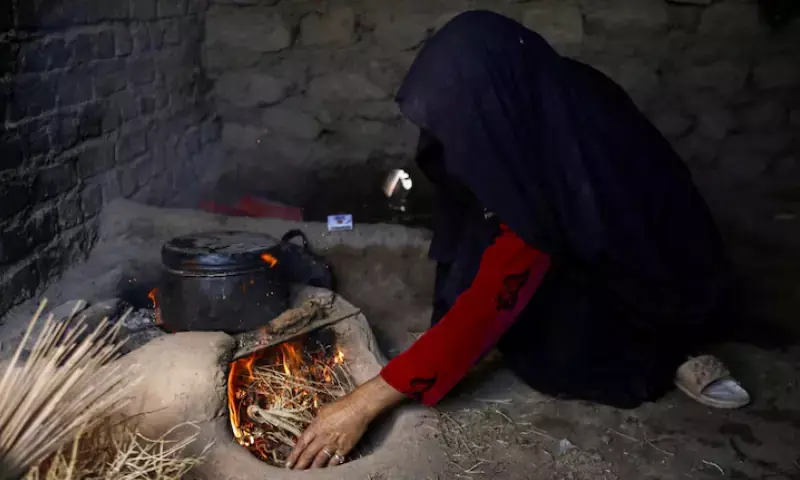
Acute malnutrition and hunger in Afghanistan have reached the highest levels ever recorded, with 15.9 million people facing acute food insecurity and conditions set to worsen in the coming months, according to a global hunger monitor report released on Thursday. UN agency heads have called for emergency support to stem the crisis, as a separate report details serious human rights violations from public floggings to a new ban on demonstrations. Record acute malnutrition levels for the Aug-Oct period have seen hunger levels grow for millions of Afghans according to the Integrated Food Security Phase Classification (IPC), a global initiative aimed at informing decisions based on five phases of food security. Economic pressures are straining households nationwide, contributing to more than 32 per cent of the population facing crisis-level acute food insecurity phase three or above, including 3.4m people experiencing emergency phase four conditions. The current deterioration is driven by disease outbreaks and inadequate water, sanitation and hygiene conditions, compounded by sharply reduced access to nutrition services, the report found. The situation is expected to worsen from November to April during the winter lean season, when nearly 19.2m people are projected to face phase three or above, including 5m people in emergency food insecurity conditions. Acute malnutrition is also set to grow significantly, with 4.04m children under the age of five projected to need treatment between January and December 2027. Although improved rainfall and better agricultural production have supported food availability, declining humanitarian assistance is reducing households ability to cope, the report warned. The World Food Programme (WFP) and Food and Agriculture Organisation (FAO) issued a stark message on Thursday, calling for urgent funding to scale up food assistance, emergency agricultural support and malnutrition prevention and treatment. We still have a window to act, but it is closing fast, WFP country director John Aylieff said. With urgent support, families can get through the winter with dignity. Without it, many will face impossible choices no parent should have to make. FAO representative Richard Trenchard said families need opportunities to earn a dependable living that helps them withstand the next shock and support to get through this winter. Erosion of human rights The UN Assistance Mission in Afghanistan (UNAMA) on Thursday reported the continued erosion of basic human rights across the country between July and September, with women and girls bearing the brunt of restrictions imposed by Taliban authorities. Girls remain barred from formal education beyond grade six. Asked about the ban, a Taliban spokesperson said that problems and considerations had to be taken into account from the perspective of Sharia law. UNAMA documented more than 50 cases related to the hijab, mostly in Herat and Kabul. In one case, a 13-year-old girl was held overnight. Women were also blocked from entering health clinics and markets without a mehram. The mission recorded at least 443 cases and 97 incidents of ill-treatment by virtue and vice inspectors over offences including hijab violations, trimmed beards, skipped prayers and listening to music. While the de facto Supreme Court stopped publicly announcing such cases on its social media account and website in April, UNAMA documented public lashings of 22 men and six women on charges including theft and adultery, and the arrest of 14 former security force members, with at least four others killed. Several outlets were suspended without clear reasons or appeal procedures. A journalist arrested in July 2025 remains in custody without conviction. A new police law, published in August, bans all demonstrations.








Comment