
Alerts
-
3 minutes, 18 seconds
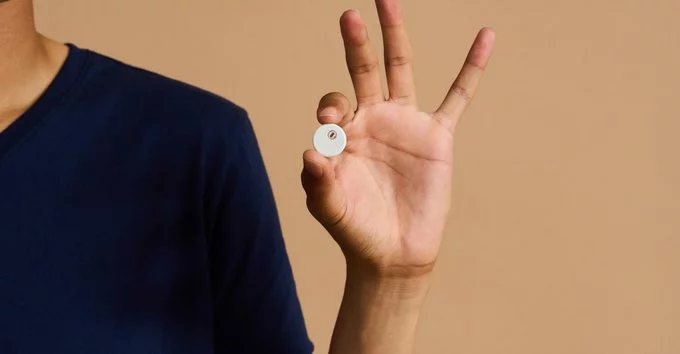
Abbott’s 2-in-1 continuous glucose monitor (CGM) is a single wearable sensor designed to measure both glucose and ketone levels in the body. Unlike traditional CGM devices that track only blood sugar, this sensor provides dual biometric data in real time, eliminating the need for separate fingerstick tests or urine strips for ketone monitoring.
The product is intended for people living with diabetes—particularly those managing Type 1 diabetes or individuals at risk of diabetic ketoacidosis (DKA). By continuously tracking ketones alongside glucose, users can detect rising ketone levels early, which is critical for preventing dangerous metabolic complications. The sensor is designed for over-the-counter or prescription use depending on the market, but its core purpose remains the same: to offer a more complete picture of metabolic health in a single device, simplifying daily diabetes management.
The system builds on Abbott’s existing FreeStyle Libre sensor technology, integrating a second biosensor within the same filament. While one enzyme-based electrode measures glucose in the interstitial fluid, a separate electrochemical pathway detects beta-hydroxybutyrate, the primary ketone body produced during fat metabolism. This dual measurement occurs continuously, transmitting data to a compatible app every minute without finger-prick calibration.
For diabetes management, the key advantage is the ability to see both energy substrates simultaneously. This allows users to track how insulin dosing, exercise, or fasting affects ketone production in real time. In type 1 diabetes, elevated ketones can signal impending diabetic ketoacidosis (DKA) hours before symptoms appear, enabling earlier intervention. The combined view also helps people on low-carbohydrate diets or those using SGLT2 inhibitors—where euglycemic DKA is a known risk—to safely monitor their metabolic state. By merging two separate lab tests into one wearable, the device simplifies daily tracking and could reduce the guesswork in managing both blood sugar and ketone levels.
Wearables often ride a steep hype cycle, and continuous glucose monitors (CGMs) are no exception. Initial enthusiasm can quickly sour if real-world performance fails to match marketing claims, leaving manufacturers like Abbott vulnerable to backlash. The regulatory pathway is a significant hurdle: devices that blur the line between consumer wellness and medical diagnostics face intense scrutiny from bodies like the FDA, which may demand lengthy clinical trials to prove accuracy.
Accuracy itself remains the core technical challenge. Even small errors in glucose readings can lead to incorrect insulin dosing, a life-threatening risk for diabetics. While Abbott’s existing FreeStyle Libre line has built trust, any perceived regression in the new 2-in-1 device could damage the brand. Adoption is the third barrier. Many consumers still view wearables as novelty gadgets rather than essential health tools, and insurance reimbursement for multi-function sensors is far from guaranteed. Without clear coverage, price-sensitive patients may stick to traditional fingerstick tests, slowing Abbott’s market penetration despite the device’s potential.
Abbott’s 2-in-1 CGM is currently in the early stages of development, with the company having presented proof-of-concept data. While there is no announced launch date or regulatory filing yet, the product is positioned as a next-generation addition to its Libre portfolio. The expected availability will depend on clinical validation and clearance timelines, which typically span several years.
If successful, this dual-sensor technology could shift diabetes care from reactive glucose monitoring to proactive metabolic management. By pairing continuous glucose data with ketone measurement, it may help users detect diabetic ketoacidosis earlier and manage both daily glucose and energy metabolism in one wearable. This convergence signals a broader industry trend toward multi-biomarker sensors, potentially reducing device burden for patients and lowering long-term healthcare costs. For clinicians, it could offer a more complete picture of a patient’s metabolic state, enabling earlier interventions. The next steps will involve larger trials and integration with digital health platforms, which will determine whether this innovation becomes a standard tool for comprehensive diabetes management.










Comment