
-
6 minutes, 30 seconds
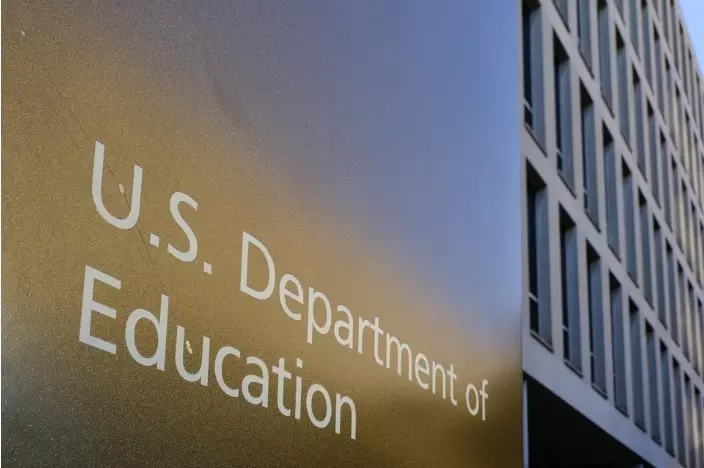
DEI in higher education is back in the spotlight after a significant legal development involving federal oversight of diversity programs. The U.S. Department of Education recently withdrew a directive that had attempted to restrict diversity, equity and inclusion initiatives across colleges and universities. The move answers a key question many institutions and employers have been asking: Is DEI still legally supported in education and workplaces? Legal experts say the decision signals that diversity-focused programs remain lawful when designed within existing civil rights frameworks. The change is already influencing how universities—and employers who recruit their graduates—approach inclusion strategies.
The debate around DEI in higher education intensified following the 2023 Supreme Court decision that ended race-conscious admissions policies tied to Students for Fair Admissions v. Harvard. After that ruling, several federal agencies and political leaders began scrutinizing diversity programs across universities. Critics argued that some initiatives could violate anti-discrimination laws, while supporters maintained they were essential for ensuring equal opportunity.
In response to that scrutiny, the Department of Education issued guidance that many universities interpreted as limiting DEI-related efforts. The guidance triggered widespread concern among academic leaders who feared the loss of diversity initiatives tied to mentorship programs, recruitment strategies and student support services. Some institutions quickly scaled back programs to avoid potential legal risk, even when they had the financial resources to continue them.
The recent reversal by the Department of Education represents a notable shift in that landscape. By ending its directive, the agency effectively stepped away from enforcing broad restrictions on diversity initiatives in education. Legal observers say the decision demonstrates how sustained institutional pushback can influence federal policy decisions.
However, experts caution that the broader regulatory environment remains complicated. Agencies such as the U.S. Department of Justice and the Equal Employment Opportunity Commission continue to examine diversity programs through existing civil rights laws. While the Education Department’s retreat offers relief for universities, organizations must still ensure that their initiatives comply with federal anti-discrimination rules.
Although the legal battle centers on colleges and universities, employers are closely watching developments in DEI in higher education. Corporate leaders often mirror policies and recruitment strategies that originate within universities. If schools alter how they approach diversity initiatives, companies may eventually adjust hiring pipelines, leadership programs or workplace inclusion efforts as well.
For businesses, the larger concern is regulatory uncertainty. Employers want to know whether diversity initiatives—such as mentorship programs or leadership development for underrepresented groups—could face future legal challenges. Legal scholars emphasize that federal anti-discrimination laws remain unchanged, meaning most traditional diversity initiatives are still permissible when implemented carefully.
Legal scholars argue that the narrative around DEI legality is often misunderstood. According to experts, diversity, equity and inclusion initiatives are not inherently illegal under U.S. law. Programs that focus on expanding opportunity, addressing bias and promoting inclusive workplaces can operate within existing civil rights protections.
The key is how those programs are structured. Initiatives that are data-driven, open to participation and tied to measurable outcomes tend to be easier to defend legally. Employers and universities that embed inclusion strategies into broader organizational goals—rather than treating them as symbolic efforts—often face fewer compliance concerns.
Ironically, some experts believe organizations that dismantled diversity programs too quickly may now face different legal or reputational challenges. When companies eliminate initiatives designed to address discrimination or workplace inequality, they may appear indifferent to compliance with civil rights obligations. That perception could expose organizations to employee complaints or public scrutiny.
A high-profile example often cited in discussions is Target, which experienced intense public reaction after adjusting aspects of its diversity messaging and policies. Experts say abrupt changes in corporate inclusion strategies can create “reputational whiplash,” undermining trust among employees, customers and stakeholders.
The legal shift surrounding DEI in higher education suggests the broader debate is far from settled. Political pressure, regulatory enforcement and court decisions will likely continue shaping how diversity initiatives evolve. Yet the core federal laws that prohibit discrimination remain intact, providing a legal foundation for inclusion programs.
For universities and employers alike, the message is increasingly clear: diversity strategies that are transparent, compliant and grounded in measurable outcomes remain viable. As organizations adapt to a changing legal environment, the institutions that approach DEI as a long-term strategy—not a temporary trend—may ultimately prove the most resilient.

7.9K articles

1.4K articles

34 articles

28 articles














Comment