
Alerts
-
3 minutes, 42 seconds
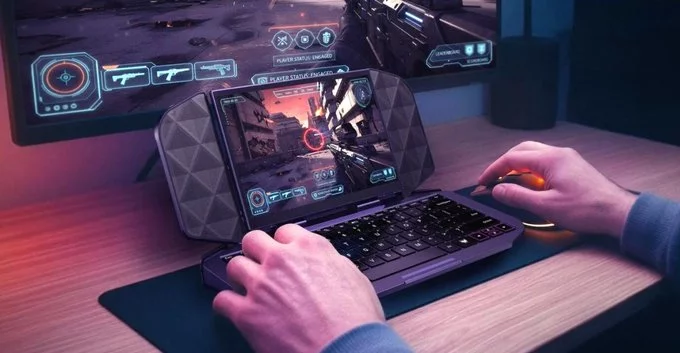
The latest generation of PC gaming handhelds is blurring the line between play and productivity, offering a surprisingly viable option for remote work. These devices, powered by full Windows operating systems, allow you to install standard office suites and productivity apps, transforming a portable console into a compact PC. The inclusion of a robust set of inputs, such as a full keyboard attachment or a built-in trackpad, is key to this dual purpose, enabling efficient typing for emails and document editing without needing to carry separate peripherals.
For connectivity, these handhelds often feature Wi-Fi 6E and Bluetooth 5.3, ensuring stable connections for cloud-based services and video conferencing. The high-refresh-rate displays are not just for smooth gaming; they also provide a crisp, responsive canvas for spreadsheets and creative software. Moreover, the powerful processors and ample RAM found in these devices can handle multitasking with ease, allowing you to switch between a demanding game and a work presentation seamlessly. This convergence offers a single, powerful device for both entertainment and professional tasks, appealing to those who want to travel light without compromising on capability.
One of the most interesting debuts at this year’s show is a robot vacuum that doesn’t just glide over surfaces—it actively seals itself to them. Instead of relying solely on suction and a brush roll, this model uses a flexible, expandable skirt around its base. When cleaning begins, that skirt drops and forms an airtight chamber against the floor. This unique mechanism turns the entire underside of the device into a powerful vacuum nozzle.
The benefit is a dramatic increase in cleaning effectiveness. Because the seal prevents air from leaking in from the sides, the machine can generate stronger, more concentrated airflow directly at the surface. This allows it to lift embedded dust and pet hair from carpets that standard robovacs often leave behind. On hard floors, the sealed chamber also improves pickup of fine particles, which typically get blown around by less precise designs. The robot’s sensors detect floor type and adjust the seal’s pressure accordingly, ensuring it maintains contact without getting stuck on rugs or transitions. The result is a deeper clean in a single pass, reducing the need for repeated cycles and saving battery life.
The momentum behind self-repair continues to build, with several new laptops prioritizing user access. The Framework Laptop 16 stands out for its modular design, allowing owners to swap the GPU, storage, and even the input deck without specialized tools. Similarly, the System76 Lemur Pro features a magnetic bottom panel that lifts off easily, revealing user-replaceable RAM, SSD, and Wi-Fi card, with the company providing detailed service manuals online.
For those seeking a more budget-conscious option, the Dell Latitude 5550 offers a tool-less chassis for accessing the battery and storage. Meanwhile, Lenovo’s ThinkPad T14 Gen 5 maintains its legacy of serviceability, with standard screws and clearly labeled internal connectors. These models typically rely on common Phillips-head screws and standard components, avoiding proprietary glue or solder. This approach not only extends the device’s lifespan but also reduces electronic waste, as users can upgrade individual parts rather than replacing the whole machine. The clear emphasis across these designs is on straightforward disassembly, making routine maintenance like cleaning fans or replacing a worn battery a practical task for the average owner.
The rise of repairable laptops and versatile hybrids signals a shift away from disposable tech. Consumers are increasingly seeking products that reduce electronic waste and offer long-term value. This trend reflects a growing demand for modular design, where components like storage and RAM can be easily swapped by the user, rather than requiring professional repair or full replacement.
For repair culture, this means a move toward empowerment. When devices are built with serviceable parts and clear guides, owners can extend product lifecycles, saving money and resources. Versatile products also reduce the need for multiple gadgets, which aligns with minimalism and sustainability.
However, this also places responsibility on consumers to learn basic maintenance. While manufacturers may offer iFixit-style resources, the onus is on the user to seek them out. Ultimately, these products signal a market that values longevity and adaptability—a hopeful sign for reducing e-waste and fostering a more conscious, hands-on relationship with the technology we own.










Comment