
Alerts
-
2 minutes, 58 seconds
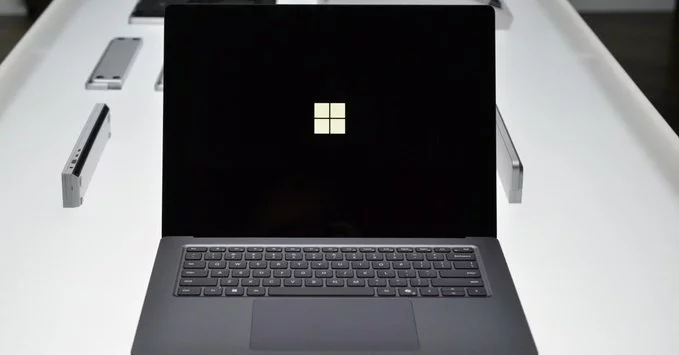
Microsoft has officially unveiled two new devices: the Surface Laptop Ultra and the Surface Dev Box. In this first look, we break down what these machines offer, who they are for, and how they compare. Whether you are a creative professional or a developer, this guide will help you understand the key differences and decide which one suits your needs.
The Surface Laptop Ultra is Microsoft’s premium ultrabook designed for everyday productivity and creative work. It features a sleek, lightweight design, a high-resolution touchscreen, and the latest Intel or AMD processors. The device is built for professionals who need a powerful yet portable machine for tasks like video editing, graphic design, or heavy multitasking.
The Surface Dev Box is a new desktop-class device aimed at developers and IT professionals. It runs on Windows 11 and is optimized for coding, testing, and running virtual machines. Unlike the Laptop Ultra, the Dev Box is a stationary workstation that offers high-end specs for resource-intensive tasks.
Both devices are powerful, but they serve different purposes. Here is a quick comparison to help you decide:
If you travel frequently or work from different locations, the Surface Laptop Ultra is the better choice. Its lightweight design and long battery life make it ideal for on-the-go use. You can easily carry it to meetings, coffee shops, or coworking spaces.
If you are a software developer, data scientist, or IT admin, the Surface Dev Box is built for you. It handles complex tasks like compiling code, running multiple virtual machines, or testing large applications without slowing down. The Dev Box also supports Windows 365, so you can stream a cloud PC if needed.
Let’s look at the raw specs side by side:
| Feature | Surface Laptop Ultra | Surface Dev Box |
|---|---|---|
| Processor | Intel Core i7 / AMD Ryzen 7 | Intel Core i9 / Xeon |
| RAM | 8GB – 32GB | 16GB – 64GB |
| Storage | 256GB – 1TB SSD | 512GB – 2TB SSD |
| Weight | 2.8 – 3.4 pounds | 5.5 pounds (tower only) |
| Price | Starting at $1,299 | Starting at $1,999 |
Microsoft’s Surface Laptop Ultra and Surface Dev Box are both impressive additions to the Surface lineup. The Laptop Ultra excels in portability and everyday performance, while the Dev Box is a powerhouse for developers. Your choice depends on your specific needs—whether you value mobility or raw computing power. Whichever you pick, you are getting a top-tier Microsoft device.










Comment