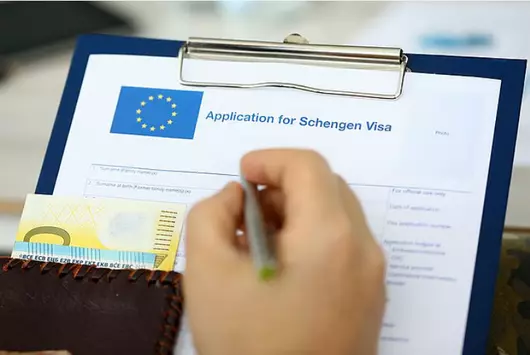
Travellers and professionals frequently ask whether the EU will relax the Schengen 90-day stay rule and who might qualify if changes happen. A new European Commission strategy suggests certain non-EU workers could stay longer without needing long-term visas or residence permits. The plan focuses on roles requiring frequent cross-border travel within member states. It also aims to simplify visa procedures and attract global talent. For many industries, this could ease mobility and support economic activity. While still under review, the proposal signals a shift toward a more flexible visa system. Employers and professionals are now watching closely for eligibility details.
Schengen Visa Update Targets Professionals Who Travel Frequently
The proposed changes focus on non-EU nationals whose work requires consistent movement between multiple EU countries. These professionals often face restrictions under the current rule limiting stays to 90 days within any 180-day period. The Commission believes the rule can hinder industries that rely on project-based or cross-border collaboration. By extending flexibility for select workers, the EU hopes to improve operational efficiency. This approach also supports business continuity across member states. Leaders see it as a way to balance economic needs with immigration control. If adopted, the move could reshape how short-term work is managed across the region.
Who Qualifies Under the Schengen Visa Update Proposals
Several categories of professionals have been identified as potential beneficiaries of longer stays. Touring artists and athletes attending competitions are among the groups likely to qualify. Experts working on cross-border projects may also benefit due to the nature of their assignments. Workers supporting EU industries and services are included in the discussion. Truck drivers servicing businesses across member states are another key group. These roles depend on frequent movement, making rigid time limits difficult to manage. The proposal aims to reflect the realities of modern, mobile work.
Simplifying Visa Processes for Skilled Workers
Beyond extending stay options, the strategy also emphasizes faster and more accessible visa procedures. Digitized applications with fewer documentation requirements are under consideration. Shorter processing timelines could make travel planning more predictable for professionals and employers. Easier transitions from research or study into employment are also part of the proposal. Improved mobility across member states remains a central priority. These changes aim to position the EU as a competitive destination for global talent. Streamlining access may also support innovation and productivity across sectors.
Balancing Security With Mobility in the Schengen Visa Update
Security remains a central pillar of the proposed visa reforms. The Commission plans to work with member states to ensure legal clarity for travellers. Reviews of bilateral agreements allowing extended stays in individual countries are also expected. The goal is to create more consistent rules across the Schengen area. New technologies and monitoring systems are likely to play a larger role in visa management. These tools aim to prevent misuse while maintaining efficient travel processes. Policymakers see this balance as essential to maintaining public trust.
Digital Systems and Smarter Visa Management Plans
The broader strategy includes modernizing how visas are issued and monitored. Digital authorizations and online systems are expected to replace traditional visa stickers over time. Integration with EU platforms designed for border management and identity verification is part of the plan. These tools could streamline checks and reduce administrative delays. Smarter data systems may also improve coordination between member states. For travellers, this could mean more predictable and efficient movement. For authorities, it strengthens oversight without slowing legitimate travel.
Economic Growth and Talent Attraction Behind the Reforms
The Schengen visa update is closely tied to the EU’s broader economic and competitiveness goals. Leaders see mobility as essential for attracting skilled workers, researchers, and entrepreneurs. Faster procedures and clearer rules could strengthen innovation ecosystems. Start-up founders and highly qualified professionals may benefit from coordinated policies across member states. Tourism, business travel, and project-based collaboration are also expected to grow. The reforms aim to support industries while maintaining structured oversight. Economic resilience remains a driving factor behind the strategy.
What the Schengen Visa Update Means for Global Professionals
If implemented, the changes could reshape how non-EU professionals engage with the European market. More flexible stay rules would reduce disruptions for industries dependent on mobility. Employers may find it easier to collaborate with international partners and specialists. Professionals could gain more predictable travel pathways for short-term work. The update also signals a broader shift toward modern, digital visa systems. While final decisions are still pending, the direction is clear. The EU is positioning mobility, talent access, and economic growth at the center of its visa policy evolution.


Array