
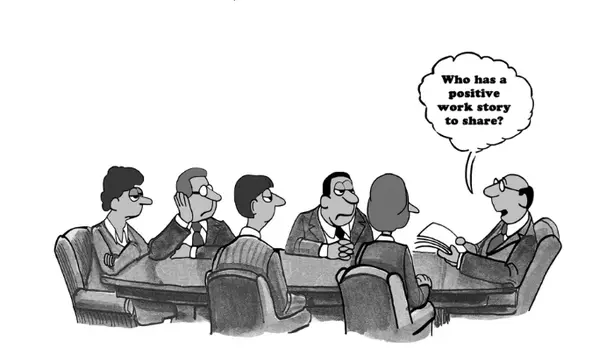
The engagement paradox is reshaping today’s workplace: leaders tasked with motivating teams are burned out, while Gen Z employees feel unseen and unprepared. Many organizations are asking the same questions—why isn’t engagement improving, why is retention slipping, and why do culture initiatives feel stuck? New research suggests the problem isn’t isolated to one group. Instead, disengagement is hitting both ends of the talent spectrum at once. Understanding this paradox is quickly becoming a business imperative. Without action, companies risk losing both experienced leaders and future talent.
One of the most overlooked aspects of the engagement paradox is leader burnout. Research shared by Kahoot! shows that while nearly half of leaders describe themselves as engaged, a significant portion also report feeling burned out. These leaders carry responsibility without adequate support. Many are expected to drive engagement without receiving modern training or tools. Over time, emotional exhaustion undermines their ability to lead effectively. This isn’t a lack of care—it’s a lack of investment.
When leaders are disengaged, their teams feel it. Burnout limits empathy, creativity, and presence—qualities essential for inclusive leadership. Managers struggling themselves often default to transactional leadership styles. This deepens the engagement gap, especially with younger employees who expect dialogue and feedback. The engagement paradox becomes self-reinforcing. Disengaged leaders unintentionally create disengaged teams.
On the other side of the engagement paradox sits Gen Z. Often labeled “hard to engage,” this generation is navigating work without the social and professional runway previous cohorts had. Many entered the workforce during or after the pandemic, missing key developmental experiences. Research shows a majority feel out of their depth, not disinterested. They want clarity, structure, and feedback. What looks like disengagement is often uncertainty.
For Gen Z, engagement hinges on psychological safety. They expect environments where questions are welcomed and feedback is continuous. Having grown up with gamified learning and real-time responses, silence feels like failure. Nearly half report being criticized for being “too outspoken,” when in reality they’re seeking belonging. The engagement paradox persists when curiosity is mistaken for entitlement. Safety, not softness, is what drives performance.
Every meeting is a signal. One-way presentations reinforce hierarchy and disengagement, especially for younger employees. Interactive, discussion-based meetings invite participation and reduce anxiety. Simple tools—polls, live feedback, shared problem-solving—can dramatically change energy. For leaders, these shifts also reduce pressure to “perform authority.” The engagement paradox eases when conversation replaces monologue.
Outdated learning and development models fuel disengagement across generations. Annual, compliance-driven training no longer works. Gen Z expects ongoing, bite-sized learning with feedback loops. Leaders, meanwhile, need training in inclusive and digital-first management. Reverse mentoring programs offer a powerful bridge, allowing Gen Z to contribute while leaders learn. This shared growth reduces the engagement divide.
At its core, the engagement paradox is a culture problem. Both leaders and Gen Z want the same thing: to feel valued, capable, and supported. Psychological safety benefits everyone, regardless of tenure or title. Time saved through AI and automation should be reinvested into connection, learning, and trust. Engagement doesn’t improve through perks alone. It improves when people feel they belong and can thrive together.
𝗦𝗲𝗺𝗮𝘀𝗼𝗰𝗶𝗮𝗹 𝗶𝘀 𝘄𝗵𝗲𝗿𝗲 𝗽𝗲𝗼𝗽𝗹𝗲 𝗰𝗼𝗻𝗻𝗲𝗰𝘁, 𝗴𝗿𝗼𝘄, 𝗮𝗻𝗱 𝗳𝗶𝗻𝗱 𝗼𝗽𝗽𝗼𝗿𝘁𝘂𝗻𝗶𝘁𝗶𝗲𝘀.
From jobs and gigs to communities, events, and real conversations — we bring people and ideas together in one simple, meaningful space.


Comment