
Menopause in film has been virtually erased from Hollywood storytelling, with only one top-grossing movie in 16 years featuring it as a meaningful storyline. A groundbreaking Geena Davis Institute report analyzed 1,600 of the highest-grossing domestic films released between 2009 and 2024, finding that just 14 films (6%) even mentioned menopause despite featuring more than 1,000 female characters over age 40. Of those 14 films, only Sex and the City 2—released 15 years ago—gave menopause a continuing narrative role through Samantha Jones' struggles with hot flashes and hormone management. The remaining 13 films reduced menopause to throwaway jokes accompanied by dangerous misinformation that equates natural hormonal transitions with irrational behavior, emotional instability, and the end of a woman's value. This erasure matters profoundly because entertainment media serves as a primary source of menopause information, especially for people who haven't yet experienced it. The Geena Davis Institute survey of 750 U.S. adults revealed that more than one in five men and women under 40 first learned about menopause through television or film, meaning these harmful portrayals directly shape public perceptions and potentially impact women's career trajectories and self-image.
The comprehensive study examined 100 highest-grossing domestic films released annually from 2009 through 2024, totaling 1,600 films analyzed for menopause representation. Only 225 of those films featured women aged 40 or older in leading or ensemble roles, becoming the focus of the research. Within those 225 films, researchers identified 1,203 female characters over 40—more than a thousand opportunities for filmmakers to explore menopause authentically. Yet menopause appeared as a topic in just 6% of these films, and meaningful exploration existed in only 0.06% of the entire 16-year sample. The numbers become even more troubling when examining how menopause in film has declined over time rather than improved. Of the 14 films mentioning menopause, 11 were released before 2016, suggesting the topic is becoming less visible in contemporary cinema despite growing public conversation about women's health. This represents a massive disconnect between Hollywood storytelling and the reality that millions of women experience menopause as a significant life transition deserving nuanced representation.
In films that mention menopause, the topic typically appears as comedy centered on sweating, hot flashes, mood swings, low libido, facial hair, and jokes about women losing their sex drive entirely. The Geena Davis Institute report documents that these portrayals frequently provide dangerous misinformation by equating menopause with irrational behavior or uncontrollable rage rather than a natural hormonal transition. In several cases, women expressing legitimate anger were automatically assumed to be menopausal, with rage itself treated as a symptom rather than a valid emotional response to circumstances. Half of the films mentioning menopause framed it as including emotional instability, reinforcing stereotypes that undermine women's credibility in both personal and professional contexts. Male characters frequently weaponized menopause to dismiss or undermine women's decisions—in one example, a husband questioned whether his wife's desire to attend a couples' retreat was driven by "that hormonal thing" rather than genuine relationship concerns. These portrayals don't just fail to represent menopause accurately; they actively harm women by suggesting their thoughts, feelings, and decisions become invalid during this natural life stage.
Hollywood's treatment of menopause in film consistently reinforces the toxic idea that a woman's value connects directly to her youth and reproductive ability. Some films suggest that menopausal women possess no sex appeal whatsoever, with one movie placing menopause in a montage of "unsexy" things alongside colonoscopies and euthanized pets. In another film, a character responds to a friend's story about two years without sex by declaring, "All right, that story just put me into menopause," explicitly suggesting that menopause represents the end of sexuality rather than simply a transition. When female characters were asked if they were undergoing menopause, they responded with indignation—"How old do you think I am?!"—implying that menopause signals old age and should be insulting to suggest. The reality contradicts these harmful stereotypes completely. Women enter perimenopause on average between ages 40 and 44, when they're only halfway through their expected lifespan. Menopause itself occurs on average at age 51, precisely when many women reach the height of their professional lives and personal confidence. By connecting menopause to loss of sexuality and aging past relevance, these films perpetuate damaging narratives that affect how society values women in midlife and beyond.
The consequences of poor menopause representation in film extend far beyond entertainment into tangible impacts on women's lives and careers. Stereotypes about menopausal women as past their prime or emotionally unstable may directly affect whether a woman over 40 receives a promotion or successfully lands a new job. The films studied revealed this bias operating within their own narratives—male characters over 40 were significantly more likely than female characters of the same age to hold occupations, at 72% compared to just 53%. This gap reflects and reinforces real-world discrimination that treats women's natural aging process as a professional liability. Misinformation also affects women's self-image as they approach and experience this transition themselves. The report authors explain that "women internalize cultural messages about aging, forming cognitive representations of menopause that then shape how they interpret their own experiences." When the dominant cultural messages position menopause as the end of relevance, sexuality, and rational thought, women entering perimenopause face these transitions through a lens of shame and fear rather than viewing them as normal biological processes. The survey data confirms entertainment media's outsized role in shaping perceptions, with more than one in five people under 40 citing television or film as their first exposure to menopause concepts.
Increasing both visibility and accuracy of menopause representation on screen could help eliminate stigma surrounding this universal experience for women. The Geena Davis Institute report recommends that films allow audiences to laugh with menopausal women rather than at them, acknowledging that humor can play a role without reducing women to punchlines. The menopause mentions researchers encountered appeared almost exclusively in comedies, but comedy doesn't inherently require mockery—authentic representation could find humor in the absurdity of hot flashes during important meetings or the challenge of managing symptoms while maintaining professional composure. Instead, current portrayals reduce menopause to jokes that "further undermine the social status of menopausal women, reinforcing stale narratives intended to silence and shame women for their natural aging process," according to the report. Authentic menopause in film would show the four-to-eight-year perimenopause transition period as part of characters' lives without defining them entirely by it. It would depict women navigating symptoms while remaining fully realized characters with careers, relationships, sexuality, and agency. It would acknowledge the medical and emotional challenges without suggesting these challenges make women irrational or less valuable.
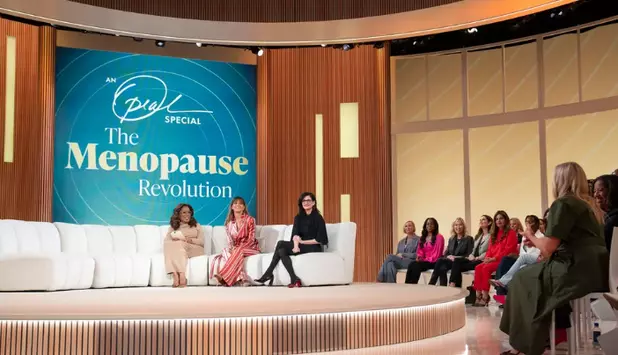
Despite film industry failures, a potential turning point has emerged as high-profile women begin speaking openly about their menopause experiences outside of Hollywood storytelling. Celebrities including Angelina Jolie, Oprah Winfrey, Naomi Watts, Gwyneth Paltrow, and Halle Berry have broken silence around menopause, creating space for honest public dialogue that challenges decades of stigma and misinformation. This visibility from influential women matters because it normalizes conversations that have been treated as taboo or embarrassing for generations. When respected public figures acknowledge their experiences with perimenopause and menopause symptoms, it signals to both audiences and content creators that this topic deserves serious treatment rather than dismissive jokes. The question becomes whether the film industry will follow this cultural shift or continue lagging behind public conversation. The data showing declining menopause mentions in films since 2016 suggests Hollywood has moved in the wrong direction even as broader society has become more open. However, increased public dialogue creates market demand for authentic representation that forward-thinking filmmakers and studios could capitalize on by developing menopause storylines that reflect real women's experiences.
The film industry must dramatically increase menopause representation and fundamentally improve the quality of that representation when it does appear. With more than 1,000 female characters over 40 appearing in just the top-grossing films studied, opportunities exist for authentic menopause storylines that explore this significant life transition with the complexity it deserves. Writers and directors should consult with medical experts and women who've experienced perimenopause and menopause to ensure accuracy rather than perpetuating stereotypes. Studios should recognize that women over 40 represent a substantial audience demographic eager to see their experiences reflected authentically on screen. Menopause storylines shouldn't be relegated exclusively to comedies or reduced to punchlines—they could appear in dramas, thrillers, action films, and every genre where human experiences get explored. Male characters should stop using menopause as weapons to dismiss women's thoughts and feelings, and female characters should be allowed to experience this transition while remaining fully dimensional people. The representation should acknowledge the average ages of perimenopause (40-44) and menopause (51) as periods when women are professionally accomplished, sexually active, and far from elderly. Until menopause in film receives the same nuanced treatment as other major life transitions like adolescence, pregnancy, or midlife career changes, Hollywood will continue failing to represent half the population accurately and contributing to stigma that damages real women's lives.

𝗦𝗲𝗺𝗮𝘀𝗼𝗰𝗶𝗮𝗹 𝗶𝘀 𝘄𝗵𝗲𝗿𝗲 𝗽𝗲𝗼𝗽𝗹𝗲 𝗰𝗼𝗻𝗻𝗲𝗰𝘁, 𝗴𝗿𝗼𝘄, 𝗮𝗻𝗱 𝗳𝗶𝗻𝗱 𝗼𝗽𝗽𝗼𝗿𝘁𝘂𝗻𝗶𝘁𝗶𝗲𝘀.
From jobs and gigs to communities, events, and real conversations — we bring people and ideas together in one simple, meaningful space.


Comments