What does humanizing the future of work really mean in an AI-driven world? For many professionals, artificial intelligence feels like a threat to jobs, but leaders like Jasmine Melikyan are proving otherwise. Her journey from startup marketing to AI product leadership shows that the future isn’t about machines replacing people — it’s about designing systems that give humans superpowers. By focusing on augmentation over automation, she demonstrates how technology can scale trust, mentorship, and opportunity, ensuring that work remains deeply human at its core.
Humanizing the Future of Work Through AI and People
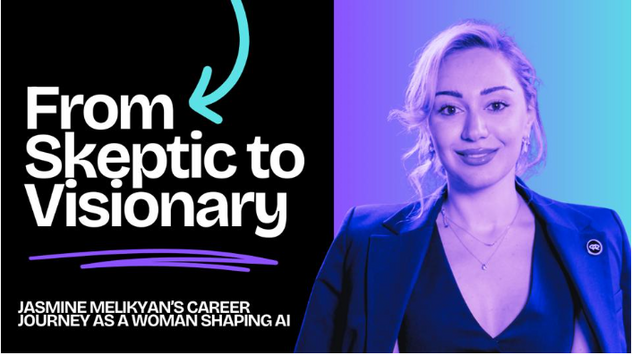
When Jasmine began her career, she didn’t picture herself at the forefront of AI innovation. Yet her time in hypergrowth startups became an “MBA on fast-forward,” teaching her how to connect marketing, product, and customer needs. Those lessons shifted her view of AI: from skepticism to seeing it as a tool for scaling meaningful support. At OutRival, she helped launch “digital workers” that handle routine tasks while enabling advisors to focus on conversations that build trust. This human-centered approach proves that AI’s role isn’t to erase jobs but to elevate them.
Why Humanizing the Future of Work Matters
The rise of AI has already reduced entry-level opportunities in many industries, compressing traditional career ladders. Without careful design, we risk losing the mentorship and learning that build future leaders. Humanizing the future of work means ensuring that technology clears space for growth rather than closing doors. Platforms like OutRival highlight how digital agents can manage repetitive work, while humans focus on coaching, creativity, and problem-solving — the very skills that AI cannot replace. This balance preserves dignity, security, and long-term opportunity.
A Vision for Human + AI Careers
Jasmine’s story offers a blueprint for navigating disruption: stay curious, remain skeptical but open, and prioritize augmentation over automation. Her vision is clear — the future of work is not AI versus humans, but AI with humans. By centering empathy, equity, and access, leaders can create workplaces where technology expands possibilities instead of shrinking them. Humanizing the future of work is no longer optional; it’s the key to building resilient careers and inclusive growth in the AI era.














Comment