
Alerts
-
2 minutes, 58 seconds
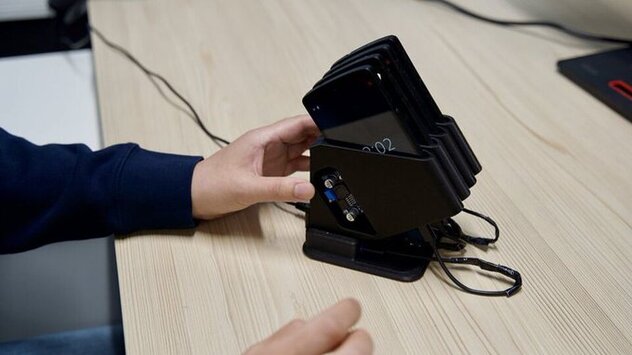
Each year, over a billion smartphones are produced—and most are discarded within just a few years, despite still being functional. With e-waste becoming a major environmental issue, researchers are exploring innovative solutions. One such idea is repurposing old smartphones into micro data centers. This low-cost, sustainable approach is gaining attention as a potential way to reduce electronic waste while supporting local data processing needs.
Using recycled phones to create small-scale computing hubs. Researchers at the University of Tartu in Estonia have pioneered this approach, building data center prototypes from second-hand smartphones for just €8 each. By removing the lithium-ion batteries—eliminating leakage risks—and powering the devices externally, they created a functional, environmentally friendly solution for edge computing tasks.
What makes the smartphone data center model especially compelling is its versatility. In one real-world trial, recycled phones were used underwater to monitor marine life. By processing video footage in real time on-site, researchers avoided the need to upload data or manually analyze footage later. These same systems could be deployed in urban areas—like bus stops—to count passengers, helping optimize public transport based on local data trends.
The innovation behind the smartphone data center lies not in new hardware but in a new way of thinking. As Associate Professor Huber Flores put it, it's about "re-imagining the role" of existing devices. Rather than discarding phones with viable processing power, we could redirect them into applications that serve environmental and societal needs—an important step toward solving the global e-waste problem.
While the idea is promising, turning your old phone into a smartphone data center isn’t yet practical for most individuals. However, it demonstrates how institutions and developers can repurpose devices at scale. As awareness of e-waste grows and sustainability becomes a priority, creative reuse models like this could become more widespread—turning yesterday's tech into tomorrow’s infrastructure.








Comment